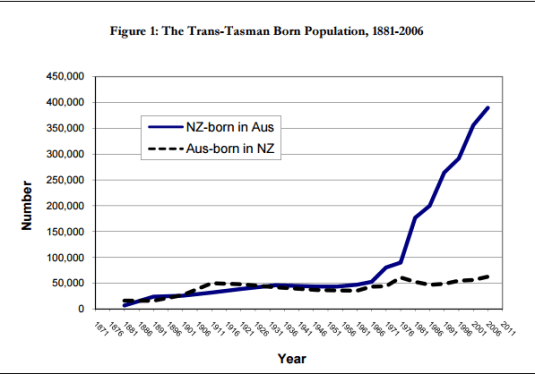
Trans-Tasman populations since 1881
03 Apr 2015 Leave a comment
in economic history, politics - Australia, politics - New Zealand, population economics
Up until 2001, UK women were more likely to vote Tory than UK men
31 Mar 2015 Leave a comment
Interesting, because women’s demand for social insurance was a major driver of the growth of government in the 20th century.
A tale of two parents
30 Mar 2015 Leave a comment
in human capital, labour economics, labour supply, occupational choice, politics - USA, population economics, poverty and inequality, welfare reform Tags: child poverty, family demographics, family structures, single parents
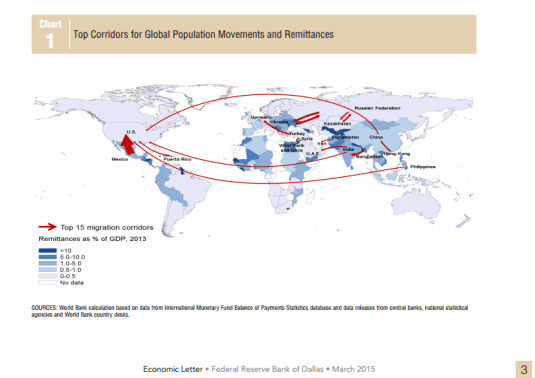
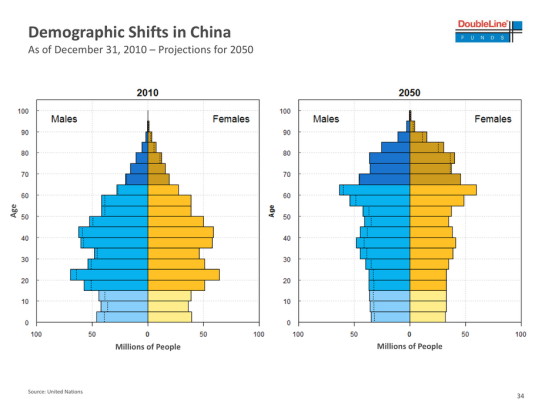
The Great Escape – deaths from natural catastrophes version
25 Mar 2015 Leave a comment
in health economics, population economics, technological progress Tags: The Great Escape, The Great Fact
Life expectancy vis-a-vis the old age pension eligibility age has changed big time
23 Mar 2015 Leave a comment

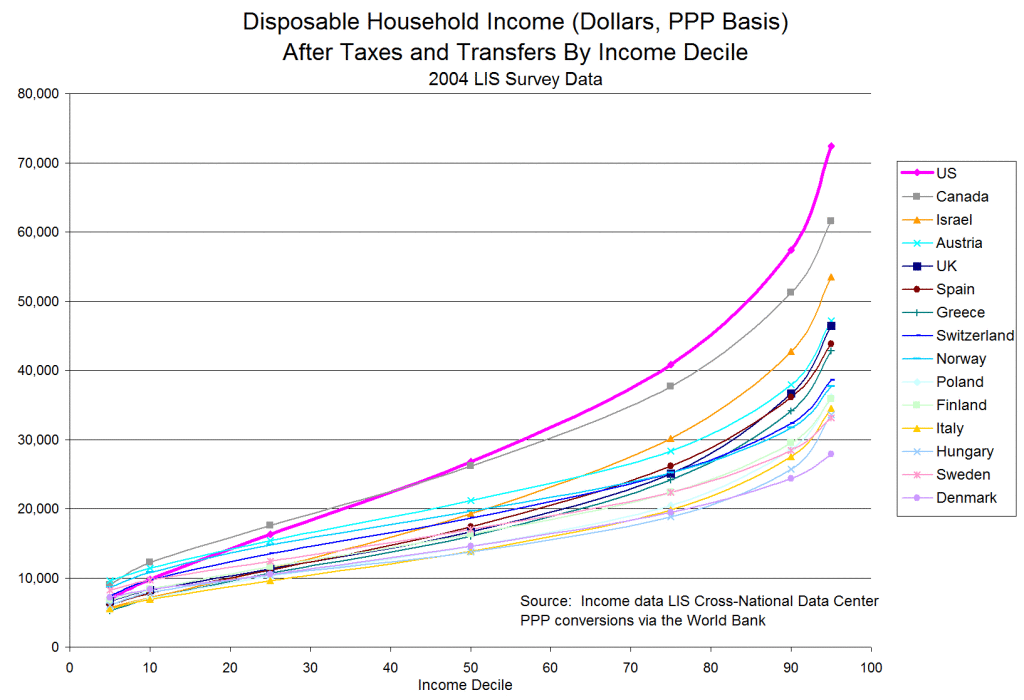
The US model does better for at least 85%, and in many cases 90%+
21 Mar 2015 Leave a comment
in politics - USA, population economics, poverty and inequality Tags: living standards, poverty and inequality

Down and out in America in 2005 – Air Conditioning, Cable TV, and an Xbox
17 Mar 2015 Leave a comment
in politics - USA, population economics, poverty and inequality Tags: living standards, poverty and inequality, The Great Enrichment
For decades, the U.S. Census Bureau has reported that over 30 million Americans were living in “poverty,” but the bureau’s definition of poverty differs widely from that held by most Americans.
In fact, other government surveys show that most of the persons whom the government defines as “in poverty” are not poor in any ordinary sense of the term. The overwhelming majority of the poor have air conditioning, cable TV, and a host of other modern amenities. They are well housed, have an adequate and reasonably steady supply of food, and have met their other basic needs, including medical care.
Some poor Americans do experience significant hardships, including temporary food shortages or inadequate housing, but these individuals are a minority within the overall poverty population.


Recent Comments