09 Aug 2015
by Jim Rose
in applied welfare economics, energy economics, environmental economics, global warming, politics - USA, Public Choice, rentseeking
Tags: coal power, electric cars, green rent seeking, hydroelectric power, nuclear energy, nuclear power, offsetting behaviour, The fatal conceit, The pretense to knowledge, unintended consequences
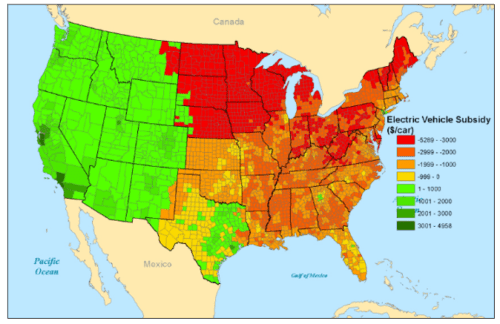
- The benefit is large and positive in many places in the west because the western electricity grid is relatively clean – primarily a mix of hydro, nuclear, and natural gas.
- The benefit is large and negative in many places in the east because the eastern electricity grid primarily relies more heavily on coal and natural gas.
via Economist’s View.
08 Aug 2015
by Jim Rose
in Euro crisis, job search and matching, labour economics, macroeconomics, minimum wage, unemployment
Tags: employment law, equilibrium unemployment rates, Eurosclerosis, expressive voting, labour market regulation, natural unemployment rate, offsetting behaviour, rational irrationality, unintended consequences
04 Aug 2015
by Jim Rose
in labour economics, minimum wage, politics - USA, unemployment
Tags: aggressive voting, antimarket bias, living wage, offsetting behaviour, rational ignorance, rational irrationality, The fatal conceit, The pretence to knowledge, unintended consequences
10 Jul 2015
by Jim Rose
in applied price theory, applied welfare economics, econometerics, income redistribution, politics - Australia, politics - New Zealand, politics - USA, Public Choice, rentseeking
Tags: activists, British economy, British politics, do gooders, expressive voting, living wage, rational ignorance, rational irrationality, The fatal conceit, The pretence to knowledge, unintended consequences
30 Jun 2015
by Jim Rose
in economics of crime, economics of education, economics of regulation, entrepreneurship, health economics, industrial organisation, law and economics, survivor principle
Tags: black markets, economics of prohibition, entrepreneurial alertness, food, nanny state, police, The fatal conceit, unintended consequences
26 Jun 2015
by Jim Rose
in applied price theory, applied welfare economics, comparative institutional analysis, constitutional political economy, economics of crime, economics of media and culture, economics of regulation, law and economics, liberalism, politics - New Zealand, Public Choice
Tags: chilling effect, disorderly conduct, free speech, infotopia, Internet trolls, meddlesome preferences, nanny state, offsetting behaviour, The fatal conceit, The pretence to knowledge, unintended consequences
26 Jun 2015
by Jim Rose
in applied price theory, economics of regulation, health economics, politics - USA
Tags: meddlesome preferences, nanny state, offsetting behaviour, The fatal conceit, The pretence to knowledge, unintended consequences
Starting in 2012, the University of Vermont began a process of requiring that all campus locations selling beverages provided 30% “healthy” beverages, and then that all locations phases out all sales of bottled water.
There were two hope: 1) reduced use of bottles, when bottled water was no longer available, and 2) that healthier beverages would be consumed.
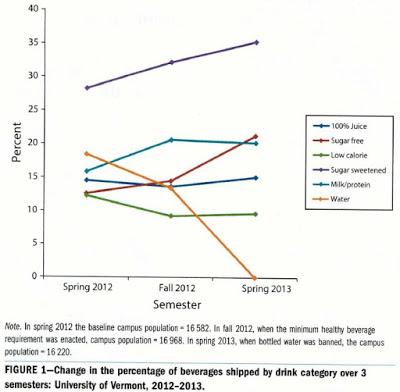
The orange line that drops to zero shows bottled water being phased out. The rising line at the top shows the rise in sugar-sweetened beverages. The red line in the middle that rises sharply shows the rise in sugar-free beverages.
via CONVERSABLE ECONOMIST: Banning Bottled Water: Unintended Consequences.
19 Jun 2015
by Jim Rose
in applied price theory, economics of crime, economics of regulation, law and economics, politics - USA
Tags: game theory, gun control, John Lott, mass public shootings, offsetting behaviour, read killers, The fatal conceit, The pretence to knowledge, unintended consequences
27 May 2015
by Jim Rose
in discrimination, economics of regulation, gender, labour economics, occupational choice
Tags: gender wage gap, maternity leave, offsetting behaviour, The fatal conceit, The pretence to knowledge, unintended consequences
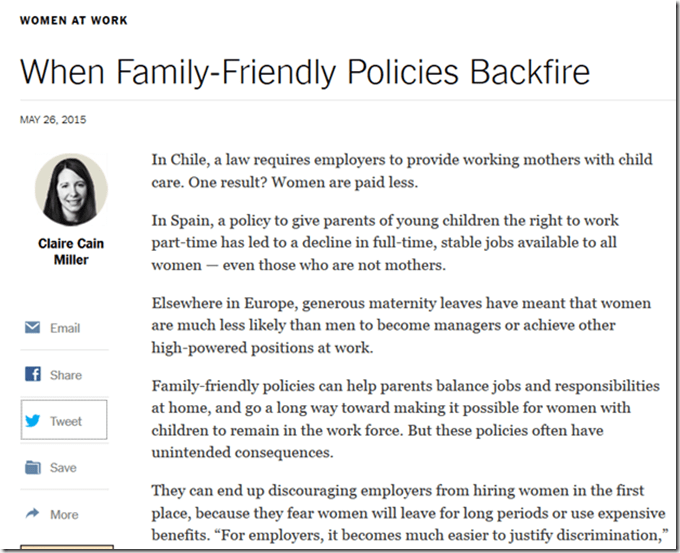
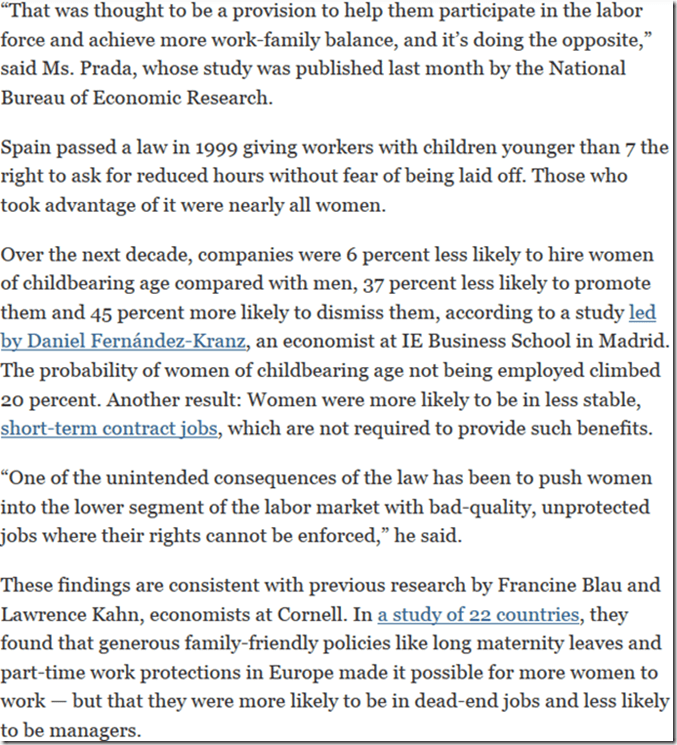
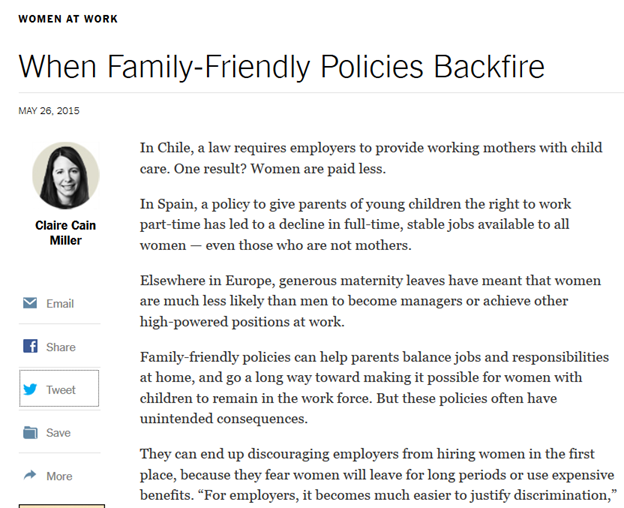
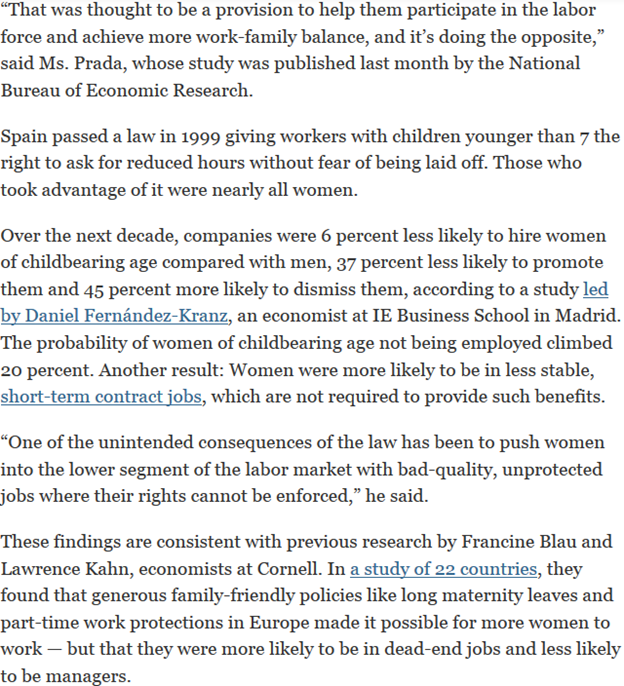
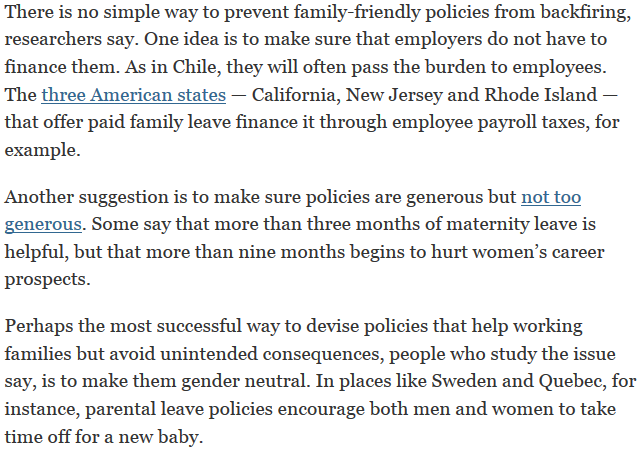
The best part of the article is its frank admission about how bare the cupboard is in dealing with the impact of generous maternity leave on the gender gap. Maternity leave should not be too generous, should not be paid by employers but by taxpayers, and should extend to both men and women.
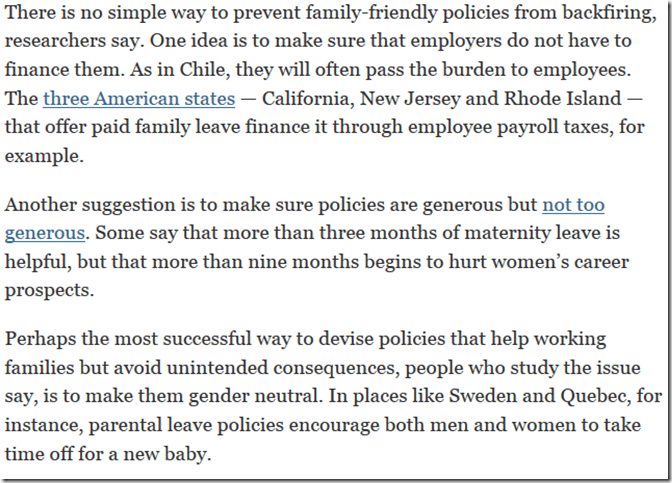
via When Family-Friendly Policies Backfire – NYTimes.com.
Previous Older Entries Next Newer Entries



![image_thumb[1]](https://utopiayouarestandinginit.com/wp-content/uploads/2015/06/image_thumb110.png "image_thumb[1]")
 Utopia, you are standing in it!
Recent Comments