Here is one excerpt: What few appreciate is that the overregulation of housing has blocked a classic American path: moving to a higher-wage part of the country to secure a better life. A paper by the economists Peter Ganong and Daniel Shoag shows that housing costs now routinely outweigh wage gains: While janitors and waiters do indeed […]
Bryan Caplan on YIMBY in the NYT
Bryan Caplan on YIMBY in the NYT
12 Jul 2024 Leave a comment
in applied price theory, applied welfare economics, comparative institutional analysis, economic history, economics of regulation, income redistribution, law and economics, politics - USA, property rights, Public Choice, regulation, rentseeking, urban economics Tags: housing affordability, land supply, zoning
Zoning Matters for Rising Housing Costs, Especially After 1980
11 Jul 2024 Leave a comment
in applied price theory, econometerics, economic history, economics of regulation, environmental economics, income redistribution, Public Choice, rentseeking, urban economics Tags: housing affordability, land supply, zoning
From a new working paper “The Price of Housing in the United States, 1890-2006” by Ronan C. Lyons, Allison Shertzer, Rowena Gray & David N. Agorastos (emphasis added): “Zoning was adopted by almost every city in our sample during the 1920s. We see a slightly steeper gradient over the next two periods (coefficients of .48 […]
Zoning Matters for Rising Housing Costs, Especially After 1980
The Pharmac Fiasco
09 Jul 2024 Leave a comment
in applied price theory, health economics, politics - New Zealand Tags: drug lags, patents and copyrights
If you don’t understand how things work you make foolish mistakes. To explain how the government got into its cancer drugs muddle, we need to explain first how New Zealand’s pharmaceutical purchasing system works. There is a parallel between Pharmac and the Reserve Bank of New Zealand. The Government sets the monetary policy framework with […]
The Pharmac Fiasco
Pharmac’s free ride won’t last forever
04 Jul 2024 Leave a comment
in applied price theory, comparative institutional analysis, health economics Tags: drug lags
Americans contribute disproportionately toward the pharmaceutical innovation from which we all benefit, but their tolerance for subsidising the rest of the world is on the wane… Eric Crampton writes If philosophy students remember one thing from their lectures on Immanuel Kant in undergraduate classes, it is his categorical imperative. It’s easy to remember […]
Pharmac’s free ride won’t last forever
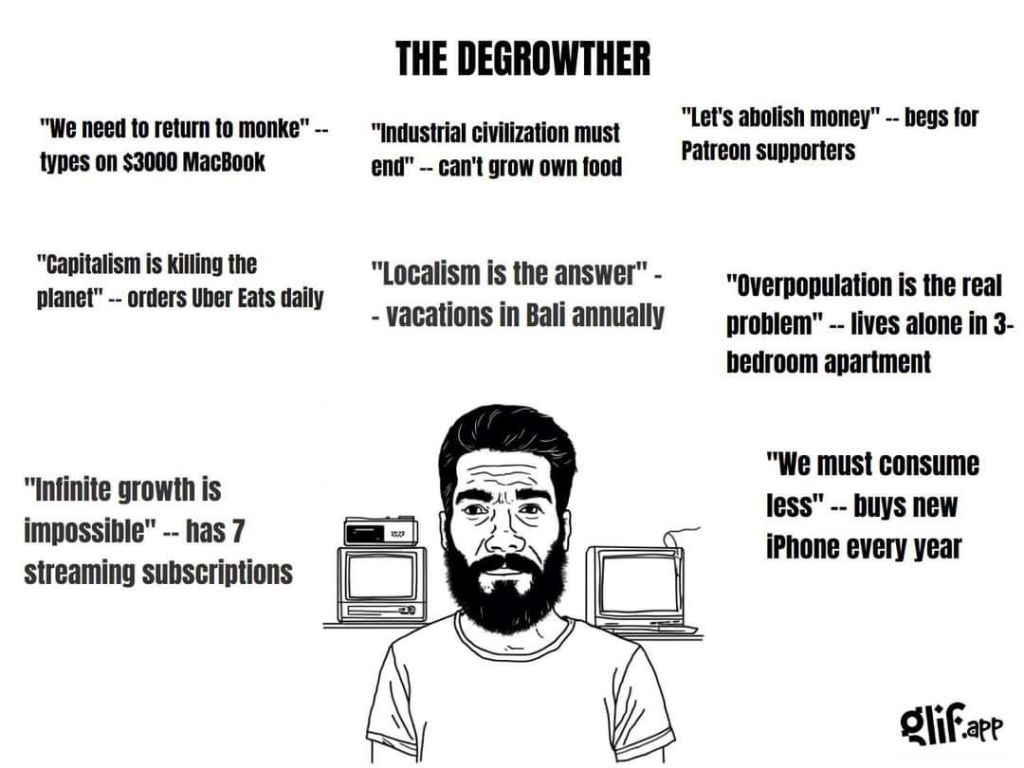
On degrowth
04 Jul 2024 Leave a comment
in applied price theory, development economics, economic growth, macroeconomics Tags: The Great Enrichment
Five Questions Congress Should’ve Asked the Climate Cartel
30 Jun 2024 Leave a comment
in applied price theory, applied welfare economics, economics of natural disasters, energy economics, environmental economics, global warming Tags: climate alarmism
SG investing promises nebulous profits in some far-off future, but my friends and family whose retirements rely on CalPERS need it to perform better today instead of doubling down on its money-losing ways.
Five Questions Congress Should’ve Asked the Climate Cartel
When life imitates comedy: FTC’s Amazon Flip Flop
26 Jun 2024 Leave a comment
in applied price theory, entrepreneurship, history of economic thought, industrial organisation, law and economics, Ronald Coase Tags: competition law
Nobel Laureate Ronald Coase once quipped that he left antitrust because “When prices go up, its monopolization, when prices fall it’s predation, and when they stay the same it’s collusion.” As if to illustrate this idea, the FTC’s Chair is reversing herself to bring a case against Amazon. On one hand, booksellers argue that Amazon…
When life imitates comedy: FTC’s Amazon Flip Flop
Do not stifle supply and then subsidize demand
25 Jun 2024 Leave a comment
in applied price theory, applied welfare economics, comparative institutional analysis, income redistribution, law and economics, politics - USA, Public Choice, rentseeking Tags: offsetting behavior, unintended consequences
That phrasing comes from Arnold Kling, right? It is also the topic of my latest Bloomberg column. Here is one bit: Unfortunately, the US already was setting a bad example for the British. Recent plans from the Biden administration called for a broadly similar approach to housing policy, namely subsidizing demand. Earlier this year, Biden called for […]
Do not stifle supply and then subsidize demand
Guest Post: Funding Infrastructure
24 Jun 2024 Leave a comment
in applied price theory, comparative institutional analysis, economics of bureaucracy, politics - New Zealand, Public Choice, transport economics, urban economics
A guest post by Gary Lindsay responding to the speech by Infrastructure Minister Chris Bishop: Chris Bishop’s speech regarding infrastructure has been a long time coming. It’s great that a government is finally serious about the massive infrastructure deficit that has been building since the major (necessary) cuts in 1984. Correcting a 40 year infrastructure […]
Guest Post: Funding Infrastructure
Health and Safety laws
23 Jun 2024 Leave a comment
in applied price theory, applied welfare economics, economics of regulation, health and safety, labour economics, labour supply, law and economics, occupational choice, politics - New Zealand
Peter Dunne writes – In 2016 New Zealand instituted comprehensive new health and safety laws for workplaces and other areas of activity. The expectation was that the new regime the legislation introduced would dramatically improve the culture and practice around safety in the workplace, reduce the numbers of accidents and save lives. However, the most […]
Health and Safety laws
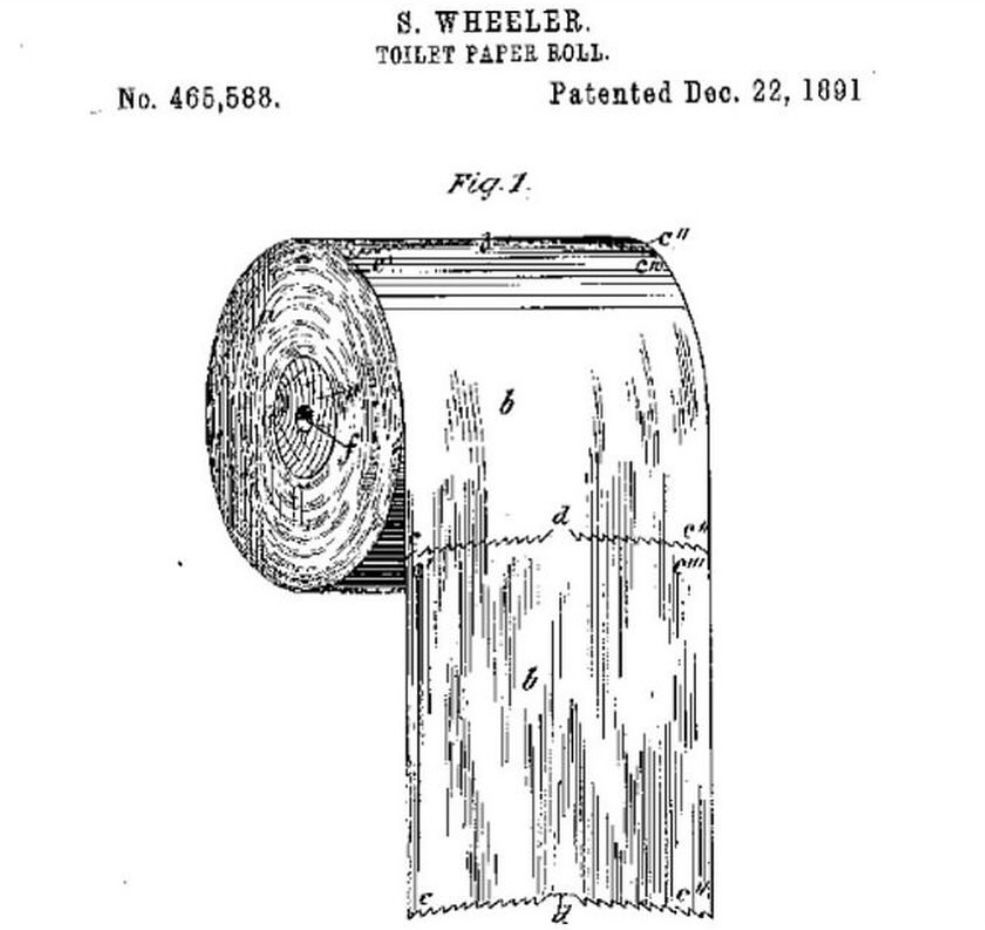
The original patent from 1891 for a toilet paper roll shows the correct rolling direction, in case you ever doubted.
22 Jun 2024 Leave a comment
Murphy’s Law of Economic Policy
21 Jun 2024 Leave a comment
in applied price theory, applied welfare economics, comparative institutional analysis, economics of bureaucracy, economics of regulation, history of economic thought, Public Choice, public economics

Economists have the least influence on policy where they know the most and are most agreed; they have the most influence on policy where they know the least and disagree most vehemently.” I’d never heard of it before and it’s quoted in this review of a book called “Free Lunch Thinking – How Economics Ruins […]
Murphy’s Law of Economic Policy
The Danish Mortgage System Avoids Lock-In
20 Jun 2024 Leave a comment
in applied price theory, financial economics, law and economics, property rights, urban economics Tags: Denmark
Tyler and I have been promoting the Danish mortgage system for years. Recall that in the Danish system each mortgage is backed by a matching bond. As a consequence, mortgage holders have two ways to pay a mortgage: 1) hold the mortgage and pay the monthly payments or 2) buy the matching bond and, in […]
The Danish Mortgage System Avoids Lock-In
Extraordinary Labor Market Developments and the 2022-23 Disinflation
19 Jun 2024 Leave a comment
in applied price theory, labour economics, labour supply, market efficiency, occupational choice, personnel economics Tags: working from home
From a new NBER working paper by Steven J. Davis: Two extraordinary U.S. labor market developments facilitated the sharp disinflation in 2022-23 without raising the unemployment rate. First, pandemic-driven infection worries and social distancing intentions caused a sizable drag on labor force participation that began to reverse in the first quarter of 2022, and perhaps […]
Extraordinary Labor Market Developments and the 2022-23 Disinflation
Price controls deter voluntary, wealth-creating transactions: CA minimum wages increase to $20/hour
17 Jun 2024 Leave a comment
in applied price theory, labour economics, minimum wage, unemployment
When staking out a position, it is rare for a politician to acknowledge any tradeoffs. For example, a politician in favor of a minimum wage increase will praise the increased wages for workers, but won’t acknowledge that businesses will shut down or fire workers. That job is left to those on the other wide of…
Price controls deter voluntary, wealth-creating transactions: CA minimum wages increase to $20/hour


Recent Comments