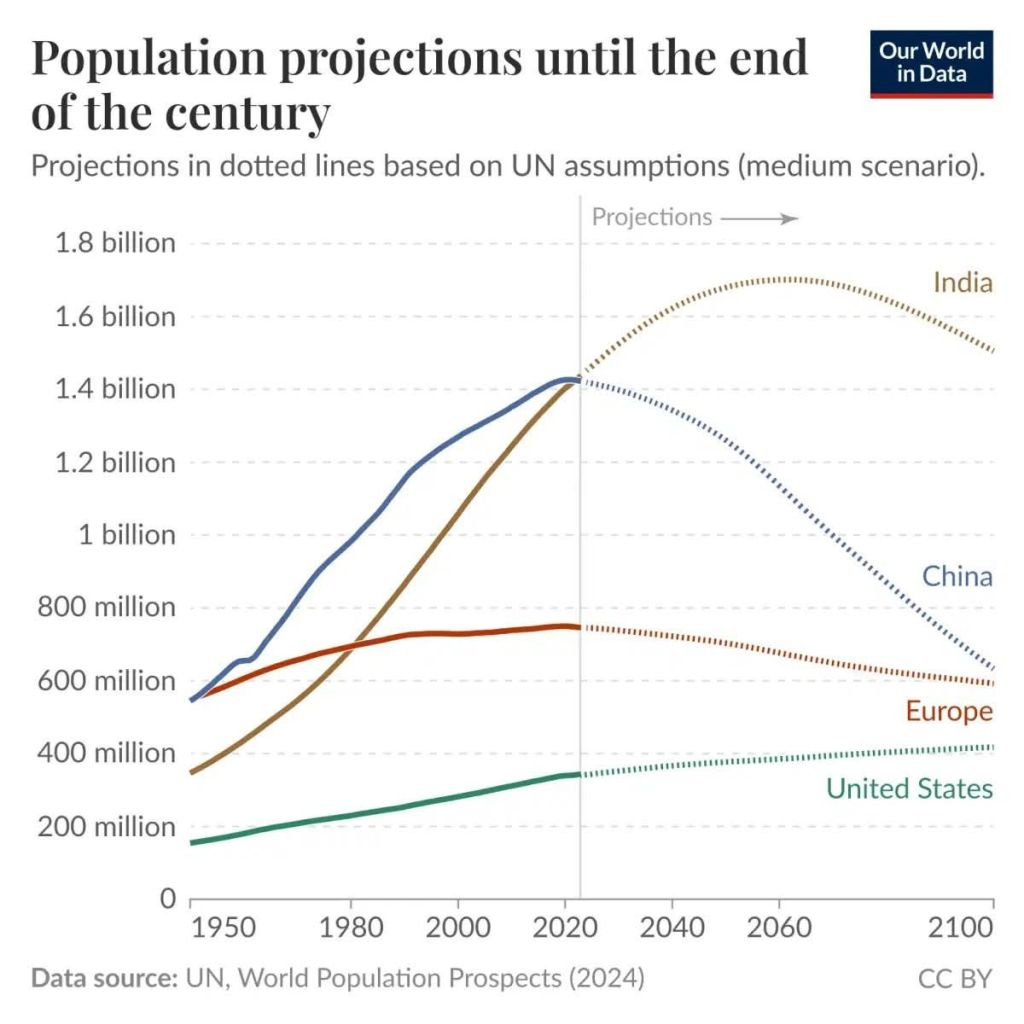
The population bust
02 Oct 2025 Leave a comment
in development economics, economic history, growth miracles, labour economics, labour supply, population economics Tags: ageing society, China, population bust
The role and power of the Victorian House of Lords
01 Oct 2025 Leave a comment
in constitutional political economy, economic history, Public Choice Tags: British constitutional law, British politics

Dr Philip Salmon looks at a key element of Parliament which we don’t usually have much opportunity to reflect on in our work on Victorian MPs and constituencies: the House of Lords. As he explains below, the upper chamber played a vital role in many important 19th century reforms and continued to wield significant influence […]
The role and power of the Victorian House of Lords
Not-so-killer acquisitions
27 Sep 2025 Leave a comment
in applied price theory, economic history, economics of regulation, industrial organisation, law and economics, politics - USA, theory of the firm Tags: competition law
Eric Crampton writes – A lot of changes are coming in competition policy. Last week, the government announced a package of reforms that, overall, set the Commerce Commission on a more activist tack. One proposed reform will align New Zealand more closely with Australia’s regime, guarding against so-called ‘killer acquisitions’.
Not-so-killer acquisitions
Economics of Trade Sanctions
26 Sep 2025 1 Comment
in applied price theory, defence economics, development economics, economic history, economics of regulation, industrial organisation, international economics Tags: trade sanctions
The exercise of US foreign policy (along with the European Union and the United Nations) has been increasingly characterized by the use (or threat) of trade sanctions. What do we know about how such sanctions work? Gabriel Felbermayr, T. Clifton Morgan, Constantinos Syropoulos, and Yoto V. Yotov review the evidence in “Economic Sanctions: Stylized Facts…
Economics of Trade Sanctions
Colonisation was liberation
25 Sep 2025 1 Comment
in constitutional political economy, development economics, economic history, politics - New Zealand Tags: Age of Discovery, age of empires, economics of colonialism
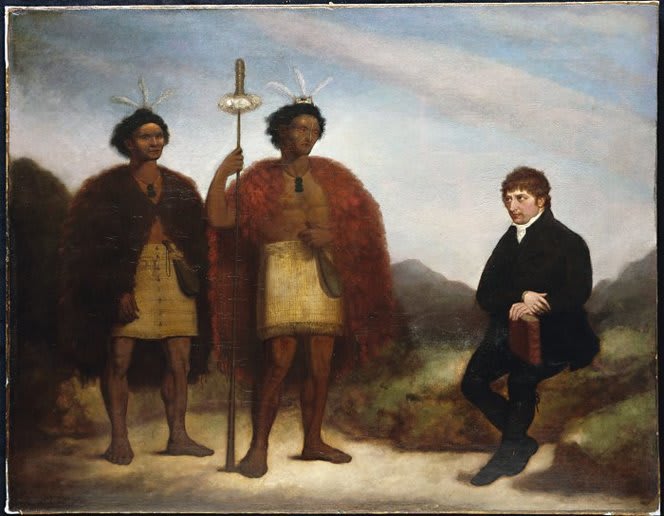
It is striking how often the loudest voices in New Zealand’s race debate come from those who have the faintest connection to being Māori. The same individuals who enjoy cushy jobs and generous salaries often exploit a sliver of Māori ancestry to advance themselves, however they spend their days decrying colonisation as if it were…
Colonisation was liberation
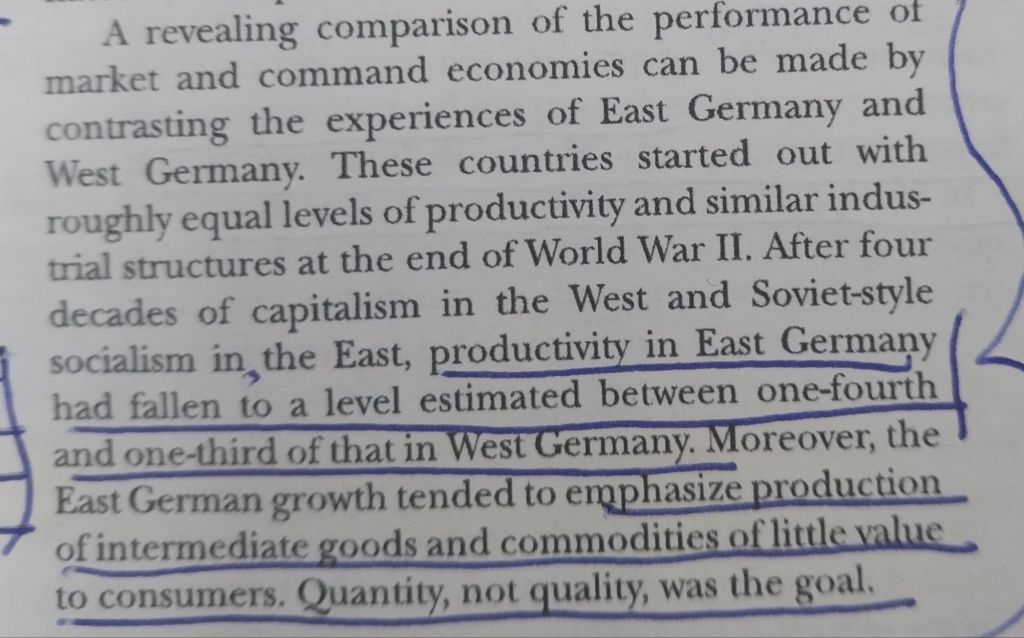
Samuelson on socialism
25 Sep 2025 Leave a comment
in applied price theory, development economics, economic history, growth disasters, growth miracles, history of economic thought, Marxist economics Tags: East Germany, economics of central planning, West Germany
Michael Clemens on H1-B visas
24 Sep 2025 1 Comment
in applied price theory, econometerics, economic growth, economic history, entrepreneurship, human capital, international economics, labour economics, labour supply, macroeconomics, politics - USA Tags: economics of immigration
From 1990 to 2010, rising numbers of H-1B holders caused 30–50 percent of all productivity growth in the US economy. This means that the jobs and wages of most Americans depend in some measure on these workers. The specialized workers who enter on this visa fuel high-tech, high-growth sectors of the 21st century economy with skills like computer […]
Michael Clemens on H1-B visas
Climate Alarmism: Not Science, But Superstition
24 Sep 2025 1 Comment
in economic history, economics of climate change, energy economics, environmental economics, environmentalism, global warming, politics - USA Tags: climate alarmism

Brian C. Joondeph writes at American Thinker, CO2 Alarmism: Science or Superstition? Excerpts in italics with my bolds and added images. When Americans hear about carbon dioxide (CO2), it’s often shown as a harmful pollutant that threatens the planet. Politicians, activists, and media outlets warn that if we don’t reduce emissions right away, disaster will […]
Climate Alarmism: Not Science, But Superstition
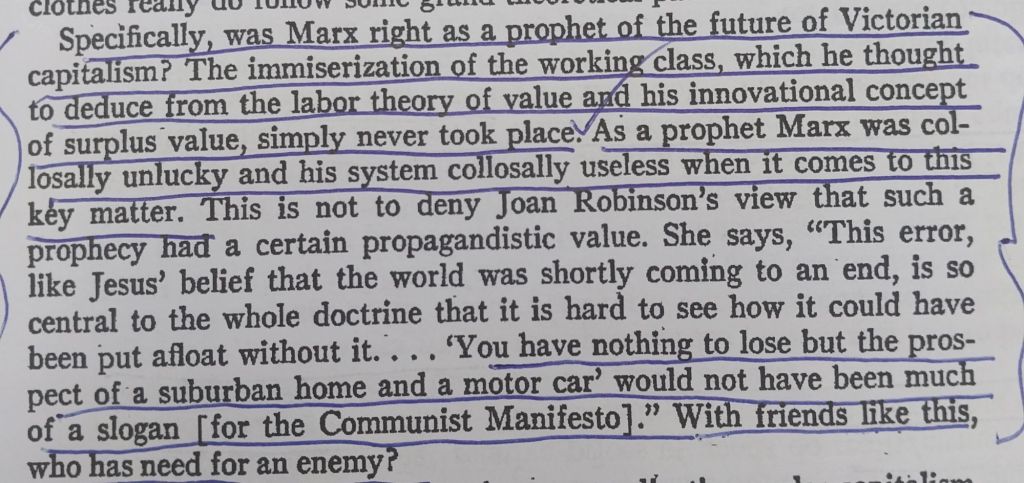
Samuelson on Marx
24 Sep 2025 Leave a comment
in applied price theory, economic history, history of economic thought, Marxist economics
Intangible Capital and Measured Productivity
23 Sep 2025 Leave a comment
in business cycles, economic growth, economic history, global financial crisis (GFC), great recession, macroeconomics Tags: real business cycle theory
A very British fudge
23 Sep 2025 1 Comment
in constitutional political economy, economic history, economics of bureaucracy, Public Choice Tags: British constitutional law, British politics
On September 10, 2022, Penny Mordaunt presided over the King’s Accession Council. Since then, there has been some confusion regarding the nature of her role. Was she Lord President or merely Acting Lord President? What seems like a straightforward question at first glance turns out to be surprisingly complex. Appointing the Lord President The […]
A very British fudge
Parliament and Politics in the Later Middle Ages
22 Sep 2025 Leave a comment
in constitutional political economy, economic history Tags: British constitutional law, British politics

Dr Simon Payling, of our 1461-1504 section, tracks the development of Parliament and Politics in the Later Middle Ages, from its Anglo-Saxon roots to the more formal split between the House of Commons and House of Lords that we recognise today… All long-lived institutions have their antecedents, and the antecedents of Parliament (or, perhaps more […]
Parliament and Politics in the Later Middle Ages
The United States vs. Europe, Part IV
17 Sep 2025 Leave a comment
in applied price theory, economic growth, economic history, economics of regulation, labour economics, labour supply, macroeconomics, Public Choice, rentseeking Tags: European Union

I put a lot of focus on “convergence” and “divergence” because economic theory says rich countries should not grow faster than poor countries. So when there are examples of divergence, especially when looking at decades of data, we can learn very important lessons about economic policy. Those lessons, in every single case, teach us that […]
The United States vs. Europe, Part IV
PRESCOTT on quality adjusted medical price indexes
17 Sep 2025 Leave a comment
in economic growth, economic history, Edward Prescott, health economics, macroeconomics
The British War on Slavery
13 Sep 2025 1 Comment
in defence economics, economic history, international economics, law and economics, liberalism, war and peace Tags: age of empires, economics of colonialism, economics of slavery
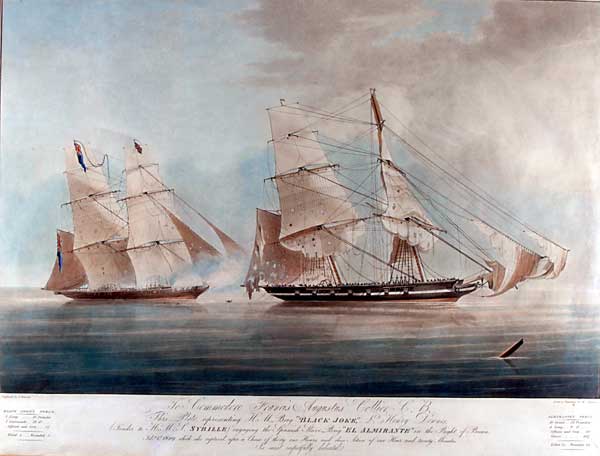
In August of 1833 the British passed legislation abolishing slavery within the British Empire and putting more than 800,000 enslaved Africans on the path to freedom. To make this possible, the British government paid a huge sum, £20 million or about 5% of GDP at the time, to compensate/bribe the slaveowners into accepting the deal. […]
The British War on Slavery
 Utopia, you are standing in it!
Recent Comments