Where are you on this graph @AlanKohler ? 😉 http://t.co/L89lQXGKHN—
Tim Mackay (@timqfadvice) May 16, 2015
The nature of expertise
21 May 2015 Leave a comment
Youth unemployment in America by sex and education
21 May 2015 Leave a comment
in economics of education, human capital, labour economics, labour supply, unemployment Tags: great recession, labour demographics
The geography of the global talent pool, now and 2030
19 May 2015 1 Comment
in economics of education, human capital, labour economics, labour supply, occupational choice Tags: College premium, economics of migration, graduate premium, tertiary education, university premium
The global talent pool has never been larger, will grow to 2030, read bit.ly/1Dg7heM (pdf) #education #stats http://t.co/aiIiTDbZt9—
(@OECD) April 24, 2015
The three S’s in family policy
18 May 2015 Leave a comment
in economics of education, gender, human capital, labour economics, labour supply, occupational choice, poverty and inequality, welfare reform Tags: child poverty, economics of marriage, family poverty, female labour force participation, labour force participation, male labour force participation, marriage and divorce, single parents, welfare reform
Helpful distinctions for family thinking: structure, stability & strength (&.. how related) @inclusionist @mboteach http://t.co/zMi92WYUhi—
Richard V. Reeves (@RichardvReeves) January 13, 2015
Who gains most from making higher education more accessible through loans and subsidised fees
16 May 2015 Leave a comment
in economics of education, human capital, labour economics, occupational choice, poverty and inequality Tags: free tertiary education, graduate premium, student loans
Wow. I mean, WOW. College completion figures over time by income quartile. bit.ly/16Bb1jh http://t.co/y0MVyiDCEZ—
Richard V. Reeves (@RichardvReeves) February 04, 2015
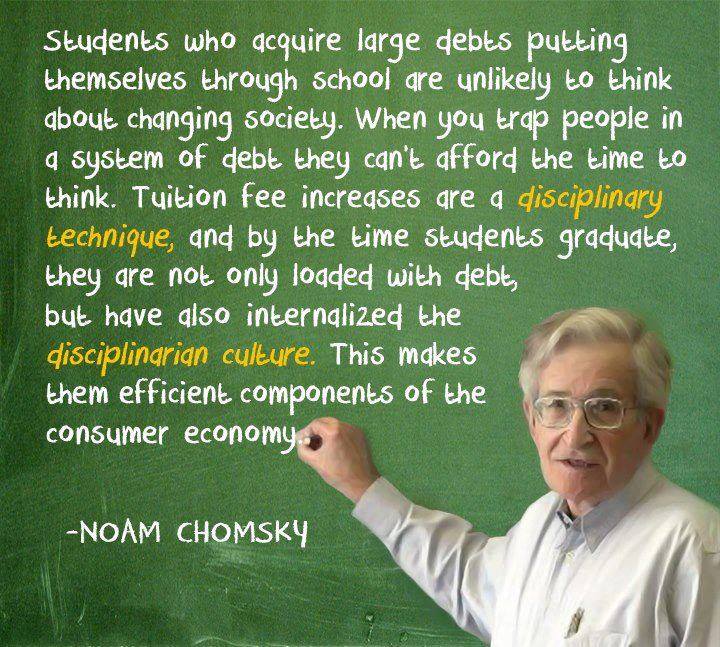
What are the rejection rates at the Ivy League Universities?
16 May 2015 Leave a comment
in economics of education Tags: college wage premium, economics of universities, education premium, graduate premium
How many applied and how many were accepted to the Ivy League universities – @peterajacobs read.bi/1GIFFW3 http://t.co/1zRGTO0WWL—
Business Insider (@businessinsider) March 31, 2015
Unskilled but Unaware of It
14 May 2015 Leave a comment
in economics of education, human capital, labour economics, labour supply, occupational choice Tags: cognitive psychology, Dunning-Kruger effect, economics of personality traits, educational psychology

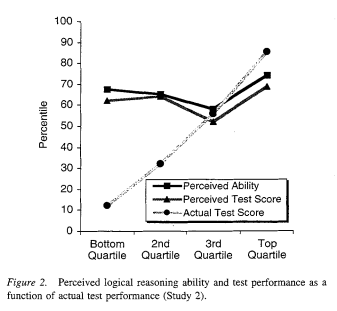
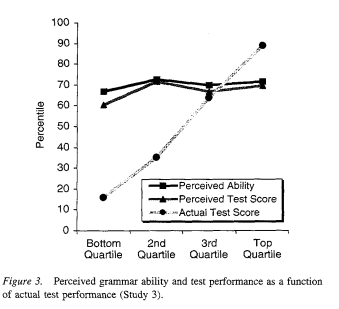

The grammar test is the easiest explanation of the Dunning-Kruger effect. The only way to know you have bad grammar is to have good ground but as you don’t have good grammar you think you have good grammar because you don’t know you have bad grammar because you have no way of self-assessing your bad grammar because you don’t have good grammar.
The primary school teachers union has done very well in New Zealand in recent times
12 May 2015 Leave a comment
in economics of bureaucracy, economics of education, labour economics, labour supply, occupational choice, Public Choice, rentseeking, unions Tags: public sector wage premium, union power, union wage premium
Another gender gap that dare not mention its name
11 May 2015 Leave a comment
in discrimination, economics of education, gender, human capital, labour economics, occupational choice Tags: educational attainment, gender wage gap, reversing gender gap
Prediction: No commencement speaker will mention the huge ‘degree gap’ favoring women. ow.ly/MCiAm http://t.co/kzzNagctAk—
(@AEI) May 06, 2015
The Ten Pillars of Economic Wisdom
10 May 2015 Leave a comment
in applied price theory, applied welfare economics, Austrian economics, comparative institutional analysis, constitutional political economy, development economics, economic history, economics of education, economics of information, economics of media and culture, economics of regulation, energy economics, entrepreneurship, financial economics, health economics, history of economic thought, industrial organisation, survivor principle Tags: David Anderson, evidence-based policy, offsetting behaviour, pretence to knowledge, The fatal conceit, unintended consequences
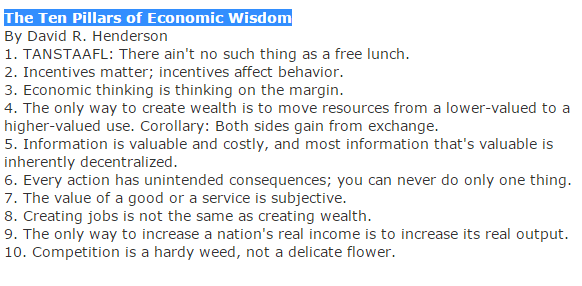
via The Ten Pillars of Economic Wisdom, David Henderson | EconLog | Library of Economics and Liberty.
Human brain development
10 May 2015 Leave a comment
in economics of education, human capital Tags: child development, economics of physiology
Income by educational attainment in the USA
10 May 2015 Leave a comment
in economics of education, human capital, labour economics, labour supply, occupational choice Tags: College premium, education premium, labour demographics
Unemployment isn’t much of an issue for the well educated in recessions
09 May 2015 Leave a comment
in business cycles, economic growth, economics of education, human capital, job search and matching, labour economics, labour supply, macroeconomics, occupational choice, unemployment Tags: labour demographics, prosperity and depression
#StayinSchool
April jobless rate for people 25+ with
B.A. or more: 2.7%
No h.s. diploma: 8.6%
on.wsj.com/1H63SHl http://t.co/UwzHjiaQz9—
Sudeep Reddy (@Reddy) May 08, 2015
April jobless rate by race/ethnicity:
Black 9.6%
Hispanic: 6.9%
White 4.7%
Asian 4.4%
on.wsj.com/1H619hg http://t.co/qgRWa7MB85—
Sudeep Reddy (@Reddy) May 08, 2015
New Zealand is on top of the world for education spending
08 May 2015 Leave a comment
in economics of education, politics - New Zealand Tags: College premium, education premium, schools
#Education expenditure in selected OECD countries –
1st NZ 21.6%
statista.com/chart/3398/whi… http://t.co/xgoHKsjNxu—
Statista (@StatistaCharts) April 20, 2015
 Utopia, you are standing in it!
Recent Comments