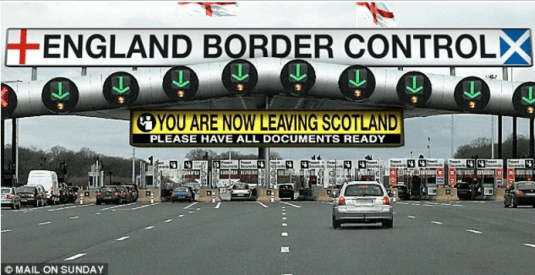
What did Australia do wrong to have the worst ranking of the high income countries for doing business across borders. New Zealand is not much better. The British are not benefiting as much as they could from the common market. Being in continental Europe must have advantages except if your Germany.
Trading across Borders Doing Business ranking 2016 – high income OECD countries
30 May 2016 Leave a comment
in international economics Tags: Australia, British economy, Common market, customs unions, economics of borders, European Union, free trade areas, Germany
Can free trade agreements help solidify emerging democracies?
24 May 2016 Leave a comment
in constitutional political economy, defence economics, international economics, Public Choice, rentseeking Tags: autocracy, customs unions, emerging democracies, free trade agreements, military coups, preferential trading agreements
Source: “Free Trade Agreements and the Consolidation of Democracy” (April 2014) American Economic Journal: Macroeconomics. American Economic Association.
Kowloon: City of anarchy
22 May 2016 Leave a comment
in economics of crime, international economics, International law, law and economics, property rights Tags: Hong Kong
Saving Ocean Fisheries with Property Rights
17 May 2016 Leave a comment
in applied price theory, comparative institutional analysis, economics of regulation, environmental economics, fisheries economics, industrial organisation, international economics, law and economics, privatisation, property rights Tags: common property, economics of fisheries, individual transferable quotas, tragedy of the commons
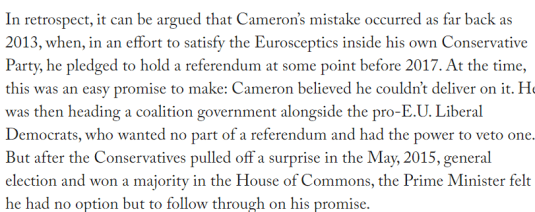
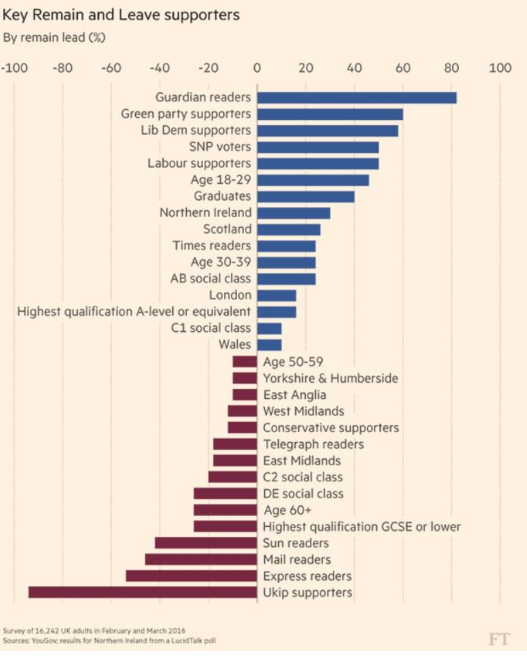
Brexit: the Movie
15 May 2016 Leave a comment
in applied price theory, applied welfare economics, comparative institutional analysis, constitutional political economy, economic history, economics of regulation, industrial organisation, international economics Tags: Brexit, Common market
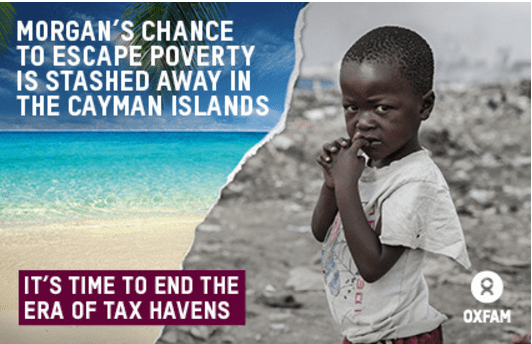
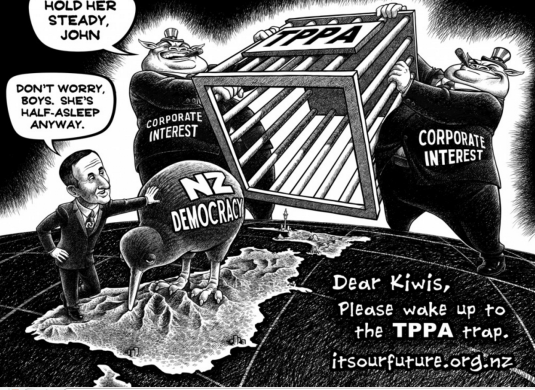
I hope no one in @OxfamGB’s #taxhaven clip were fresh from a #TPPANoWay march?
11 May 2016 Leave a comment
in applied price theory, development economics, economic history, growth disasters, growth miracles, income redistribution, international economic law, international economics, Public Choice, rentseeking Tags: antiforeign bias, Left-wing hypocrisy, neocolonialism, Oxfam, rational irrationality, reactionary left, tax havens, TPP
I hope none in this clip protesting against tax havens as short changing everybody else were fresh from protesting how international economic agreements such as the TPPA infringe on the sovereignty of countries.
If you standing up for national sovereignty that includes standing up for the right of other countries doing things that you do not like within their own country.
If countries have the right to set taxes and tariffs as high as they like, they have just the same right to set them as low as they like.
All that plucky rhetoric of TPPA no way and how international economic agreements violate the sovereignty of countries and developing countries in particular is forgotten in a flash by Oxfam.
Oxfam manages the blinding hypocrisy of opposing the Transpacific Partnership on national sovereignty grounds and at the same time call for international treaties to bully small countries about their tax policies, which overrides their economic sovereignty.
The sovereign rights of developing countries to find their own way does not extend to undermining the tax bases of the rich countries struggling to finance their welfare states.
The Pacific Islands, the once were heroes of the recent Paris climate talks, turn into pariahs once they start looking out for themselves and setting up offshore financial centres and tax havens.
Developing countries are free to impoverish themselves by embracing socialism, but if they decide to attract investment and jobs through low tax rates and offshore financial centres, a new form of colonialism is embraced by the reactionary left as embodied by Oxfam.
When my father was born, 7 in 10 people lived in absolute poverty.
Today, it's 1 in 10! https://t.co/1Caqku3AY1—
Tim Fernholz (@TimFernholz) October 21, 2015
Trekonomics: The Final Frontier (w/ Manu Saadia)
09 May 2016 Leave a comment
in applied price theory, applied welfare economics, Austrian economics, comparative institutional analysis, constitutional political economy, development economics, economics of regulation, environmental economics, history of economic thought, industrial organisation, international economics, law and economics, property rights Tags: star trek
@BernieSanders should be the @realdonaldtrump’s running mate
08 May 2016 Leave a comment
in applied price theory, applied welfare economics, international economics, politics - USA Tags: 2016 presidential election, comparative advantage, free trade, left-wing popularism, rational ignorance, rational rationality, right-wing popularism
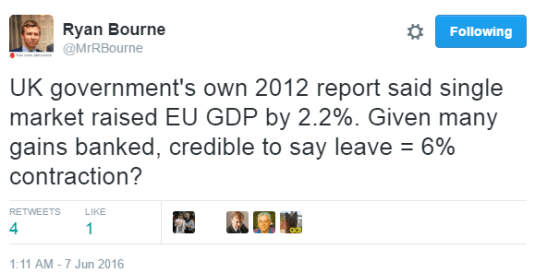
The Economics of #Brexit
28 Apr 2016 Leave a comment
in economics of media and culture, international economics Tags: Brexit, British economy, EU
Actual and synthetic real per capita GDP and real per worker GDP in the 1973 EU enlargement
27 Apr 2016 Leave a comment
in economic history, international economics Tags: British economy, Common market, customs unions, Denmark, EU membership, European Union, Ireland
Brexit: Why the United Kingdom should “Vote Leave”…in 60 Seconds
27 Apr 2016 Leave a comment
in economics of media and culture, international economics Tags: Brexit
#Morganfoundation discovers that #Ukraine is a dodgy place to buy credence goods
19 Apr 2016 Leave a comment
in economics of climate change, economics of crime, economics of information, environmental economics, global warming, industrial organisation, international economic law, international economics, International law, law and economics, politics - New Zealand, survivor principle Tags: adverse selection, asymmetric information, carbon trading, climate alarmism, climate alarmists, credence goods, experience goods, inspection goods
Morgan Foundation yesterday put out a report pointing out that many of the carbon credits purchased from the Ukraine under the carbon trading scheme are fraudulent.
That comes with no surprise to anyone vaguely familiar with business conditions and the level of official corruption in the former Soviet Union. Russia is a more honest place to do business.
Carbon traders who buy from the Ukraine are not buying an inspection good. An inspection good is a good whose quality you can ascertain before purchase.
They are not buying an experience good. An experience good is a good whose quality is ascertained after purchase in the course of consumption.

Source: Russia, Ukraine dodgy carbon offsets cost the climate – study | Climate Home – climate change news.
What these carbon traders in New Zealand are doing is buying credence goods from the Ukraine. The credence goods are the carbon credits, which the Morgan Foundation and others have found often to be fraudulent.
A credence good is a good whose value is difficult or impossible for the consumer to ascertain. A classic example of a credence good is motor vehicle repairs.
You must trust the seller and their advice as to how much you need to buy of a credence good. Many forms of medical treatment also require you to trust the seller as to how much you need.

Carbon credits are such a credence good. You know there is corruption in the Ukraine and many other countries that supply them. You may never know at any reasonable cost whether the specific carbon credits you buy were legitimate.
The reason why carbon credits are purchased from such an unreliable source is expressive voting. As is common with expressive politics, what matters is whether the voters cheer or boo the policy. The fact whether it works or not does not matter too much.
The Greens are upset about this corruption in carbon trading. They did not mention the corruption in international carbon trading and climate aid when they welcomed the recent Paris treaty on global warming but that is for another day.
https://twitter.com/kadhimshubber/status/721831502372302849
Co-ordinated international action on global warming is rather pointless if some of the key countries with carbon emission caps are corrupt, which they are.
As Geoff Brennan has argued, CO2 reduction actions will be limited to modest unilateral reductions of a largely token character. There are many expressive voting concerns that politicians must balance to stay in office and the environment is but one of these.

Once climate change policies start to actually become costly to swinging voters, expressive voting support for these policies will fall away, and it has.
Networked Carbon Markets

Source: World Bank Networked Carbon Markets.
One way to stem that fading support is to buy carbon credits on the cheap and there is plenty of disreputable suppliers of cheap carbon credits. Buying dodgy carbon credits as a way of doing something on global warming without it costing more than expressive voters will pay.
One of the predictions of the adverse selection literature is that if consumers cannot differentiate good and bad goods from each other, such as with used cars, the market will contract sharply or even collapse because buyers cannot trust what is on offer. This risk of adverse selection undermining a market applies with clarity to carbon trading.

Source: How Can Your Vote Shape a Low Carbon Future? It Starts with Carbon Pricing.
Walter Block defends multinational corporations in developing countries
18 Apr 2016 Leave a comment
in development economics, growth disasters, growth miracles, industrial organisation, international economics, labour economics, labour supply Tags: foreign direct investment, foreign investment, multinational corporations, Walter Bloch
The Economics of #Brexit – Richard Baldwin
18 Apr 2016 Leave a comment
in applied price theory, applied welfare economics, economics of regulation, international economics Tags: Brexit
@oxfam is shape shifter on national sovereignty #TPPANoWay #endtaxhavens
14 Apr 2016 Leave a comment
in international economic law, international economics Tags: Left-wing hypocrisy, Oxfam, tax havens, TPPA
Oxfam has no interest in the sovereignty of small states. It supports a new form of colonialism – tax colonialism.
Source: Growing international call for transparency in TPPA negotiations | Oxfam New Zealand.
While Oxfam upholds the sovereign right of countries to regulate and expropriate, they do not defend the rights of those same countries to tax as they please, including to cut taxes to attract investment and offshore financial centres.
Source: Growing international call for transparency in TPPA negotiations | Oxfam New Zealand.
All that plucky rhetoric of TPPA no way and how international economic agreements violate the sovereignty of countries and developing countries in particular is forgotten in a flash.
<p>Oxfam manages to have the blinding hypocrisy of opposing the Transpacific Partnership on national sovereignty grounds and at the same time call for international treaties to bully small countries about their tax policies, which overrides their economic sovereignty.</p> <p>Hyper inequality is out of control - sign the new petition - end the era of tax havens ow.ly/Xc0T4 https://t.co/IzqBji6AmD—
Oxfam New Zealand (@oxfamnz) January 17, 2016


Recent Comments