
The downtrodden low paid workers are experiencing the fastest wages growth
29 Mar 2015 Leave a comment

Poverty and family structure in America
28 Mar 2015 Leave a comment
in economics of love and marriage, gender, labour economics, labour supply, politics - USA, poverty and inequality Tags: child poverty, single parents

Is the gender wage gap in New Zealand 6% or 9.9%?
26 Mar 2015 Leave a comment
in discrimination, econometerics, gender, labour economics, labour supply, occupational choice, politics - New Zealand
The OECD puts the gender wage gap in New Zealand at about 6% for full-time employees on an hourly basis when measured using median earnings.
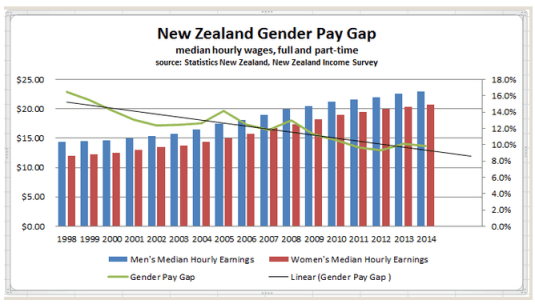
The Ministry of Women’s Affairs puts that gender wage gap estimate at 9.9% by measuring median hourly earnings, but the Ministry includes both full-time and part-time employees.
Conflating full-time and part-time earnings when measuring wage gaps is unwise. The level of compensating differentials in full-time and part-time jobs differ. More of the net pay package of a part-time job would be convenience and flexibility. A full-time job tends to indicate greater commitment to the labour force day in day out and less interest in flexibility and time off during the week.
Women who worked 34 hours or less per week earned 5.6% more than their male counterparts
26 Mar 2015 Leave a comment
in discrimination, gender, labour economics, labour supply, occupational choice Tags: gender wage gap, part-time work

The New Zealand gender wage gap is 6%, not 36% as the Greens claim
25 Mar 2015 Leave a comment
in discrimination, gender, human capital, labour economics, labour supply, occupational choice, politics - New Zealand Tags: gender wage gap
Another job that was replaced by a robot
25 Mar 2015 Leave a comment
in applied welfare economics, labour economics, labour supply, occupational choice, technological progress Tags: automation, creative destruction, technological unemployment

Roberts Solow on the British disease and Eurosclerosis
21 Mar 2015 Leave a comment
in currency unions, economic growth, economics of regulation, Euro crisis, fiscal policy, job search and matching, labour economics, labour supply, macroeconomics Tags: British disease, Euroland, European Union, Eurosclerosis, Robert Solow
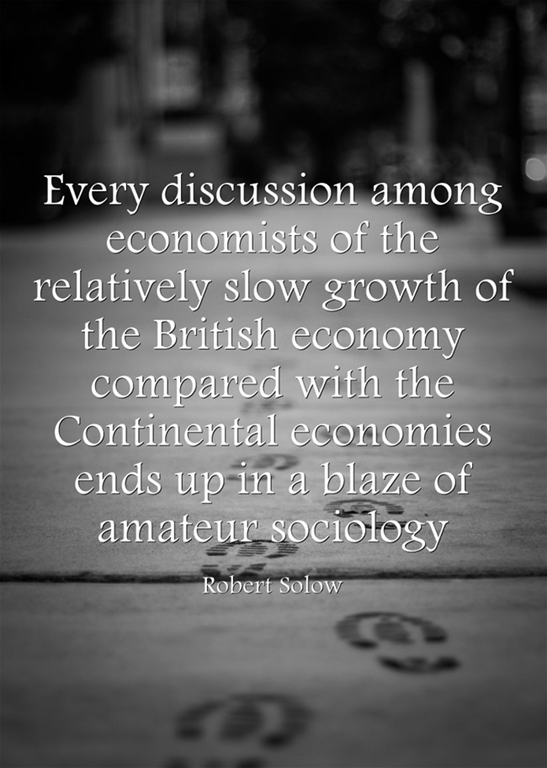
HT: Brad Delong
Where in the world do men do the most housework?
20 Mar 2015 Leave a comment
Where in the world do men do the most #housework?
statista.com/chart/3258/whe… http://t.co/CkAcSdclWB—
Statista (@StatistaCharts) February 24, 2015
The reversing gender gap
19 Mar 2015 Leave a comment
in discrimination, gender, human capital, labour economics, labour supply, occupational choice, poverty and inequality, welfare reform Tags: gender wage, reversing gender gap, sex discrimination
The asymmetric marriage premium illustrated by the division of childcare
19 Mar 2015 Leave a comment
in discrimination, gender, labour economics, labour supply, occupational choice Tags: asymmetric marriage premium, childcare, gender wage gap, household production


Recent Comments