The attack on Jews celebrating Hanukkah at Bondi Beach near Sydney (the capital of New South Wales), was horrific: fifteen people were killed (not including the perps) and 40 injured. It was clearly a terrorist attack designed to kill Jews, putting the lie that this kind of violence is “anti-Zionist” rather than antisemitic. Australian Jews…
Since the antisemitic terror attack on Bondi Beach last week, there has been a large amount of discussion on BBC radio and broadcast channels… The post BBC Framing Asks Jews to Answer For Violence Against Jews appeared first on CAMERA UK.
Over at UnHerd, philosopher Kathleen Stock, formerly of the University of Sussex, critiques a paper in The Journal of Medical Ethics that I discussed recently, a paper you can read by clicking below. (You may remember that Stock, an OBE, was forced to resign from Sussex after she was demonized for her views on gender…
This is an example of how horrible cultural practices are excused—or made to seem less harmful—by “progressives” (read “the woke”) when they’re characteristic of minority groups. In this case the practice is one of the cruelest and most misogynistic forms of behavior around—female genital mutilation (FGM), especially in its most damaging form, infibulation (there are…
If you want to know why I’m pessimistic about Europe (particularly compared to the U.S.), this chart is a good example. It shows that many European nations have enormous long-run liabilities for their Social Security systems. It’s an understatement to observe that Spain, Austria, and Italy have very grim fiscal futures. Keep in mind that […]
I have a five-part series (here, here, here, here, and here) explaining that demographic decline will lead to fiscal crisis. The main takeaway is that entitlement programs are a ticking time bomb, and I castigate politicians who want to kick the can down the road (or make a bad situation even worse). This is a global problem, not merely an American problem, as […]
It is interesting to look at the list of Maori MPs who have won general electorates in NZ. The list is: So the breakdown by party is: Of Labour’s nine Maori MPs who won an electorate seat, five of them were in the 2020 landslide. Prior to that there had been only four. Just four…
In a post last week I included this chart of the latest annual OECD data on labour productivity, expressed in PPP terms. It was grim, in a familiar sort of way. New Zealand’s overall economic performance has long been poor (the halcyon days when New Zealand was in the top 3 in the world relegated […]
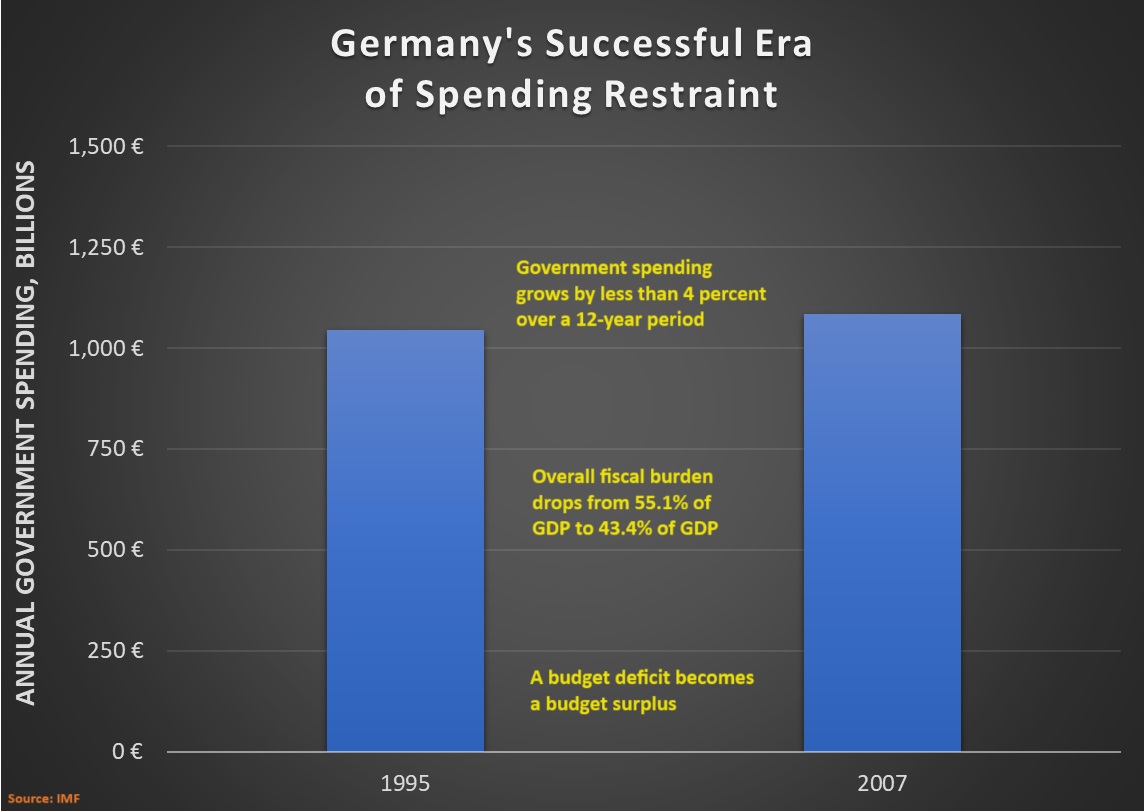
A lot has happened if you look at the past 100 years of German economic policy. Hyperinflation leading to Hitler’s National Socialists taking power. An impressive free-market revival after World War II. A growing welfare state after the imposition of a value-added tax in the 1960s. Some semi-impressive spending restraint starting in the mid-1990s. Very […]
That is my latest piece for The Free Press, focusing on the claims of Michael W. Green. Excerpt: Most of all, there is a major conceptual error in Green’s focus on high prices. To the extent that prices are high, it is not because our supply chains have been destroyed by earthquakes or nuclear bombs. […]
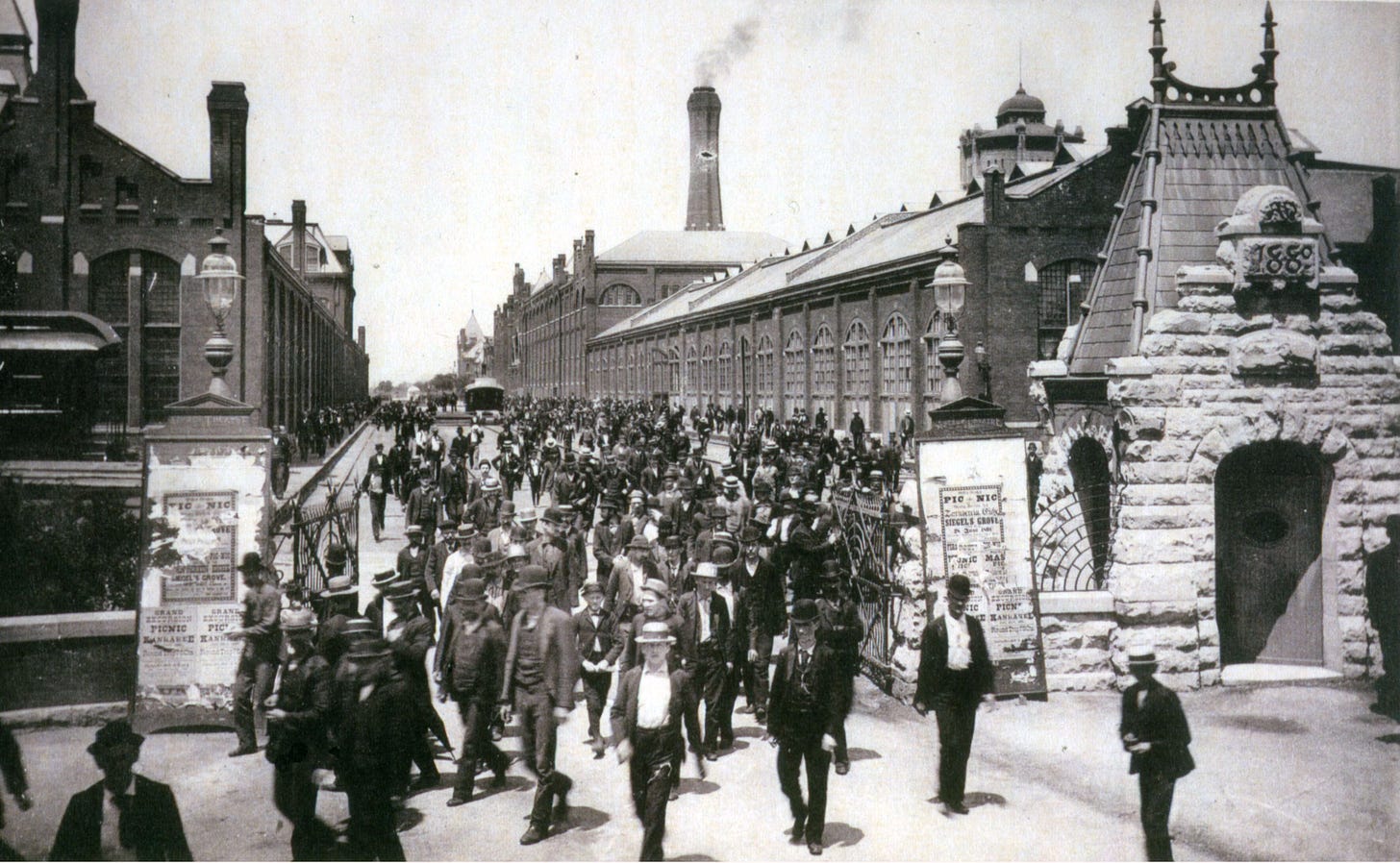
A quarter century ago, economist Price Fishback published “Operations of ‘Unfettered’ Labor Markets: Exit and Voice in American Labor Markets at the Turn of the Century” 1,762 more words
In Japan, you see native-born East Asians doing menial jobs everywhere you look. You see Japanese janitors, Japanese street-sweepers, Japanese convenience store workers, Japanese crossing guards, Japanese taxi drivers, and Japanese laborers on construction sites. 904 more words
Nine years ago, I critically analyzed the Cohen-Friedman debate on means-testing Social Security. Only recently, though, did I find the original footage from 1971. As far as I know, this is the first time that any prominent social scientist made the “A program only for the poor will always be a poor program” argument that…
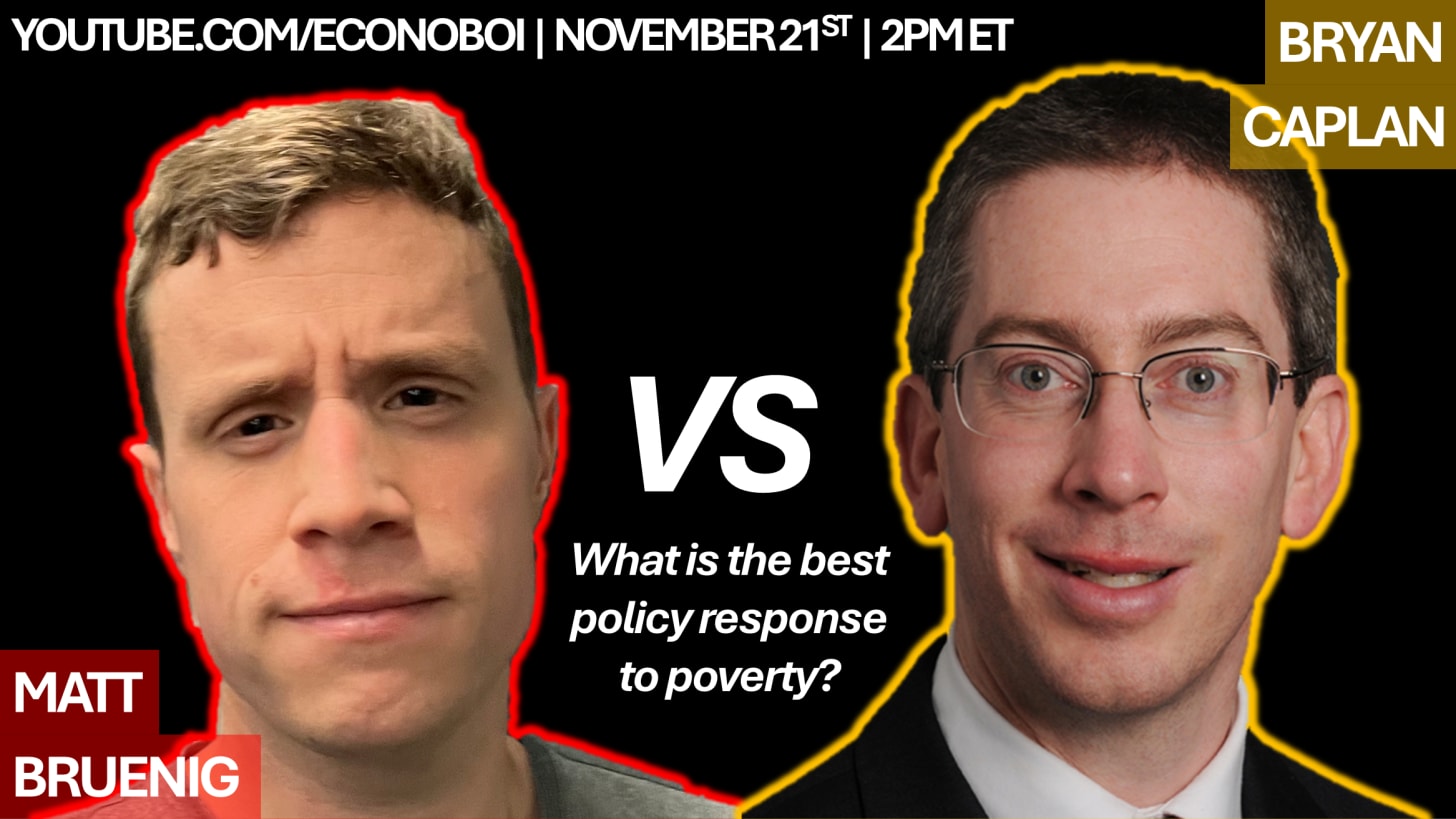
Tomorrow at 2 PM ET, I’ll be debating “What is the best policy response to poverty?” versus Matt Bruenig. Venue: Econoboi channel P.S. You might recall that… 9 more words
Why Evolution is True is a blog written by Jerry Coyne, centered on evolution and biology but also dealing with diverse topics like politics, culture, and cats.
“We do not believe any group of men adequate enough or wise enough to operate without scrutiny or without criticism. We know that the only way to avoid error is to detect it, that the only way to detect it is to be free to inquire. We know that in secrecy error undetected will flourish and subvert”. - J Robert Oppenheimer.





 Utopia, you are standing in it!
Recent Comments