If the Auckland Council can ban the release of GMOs, can it ban the growing of marijuana for recreational and medical uses? Where does it stop? Green MPs such as Steffan Browning should think more deeply about that before they embrace local democracy in all its fury.
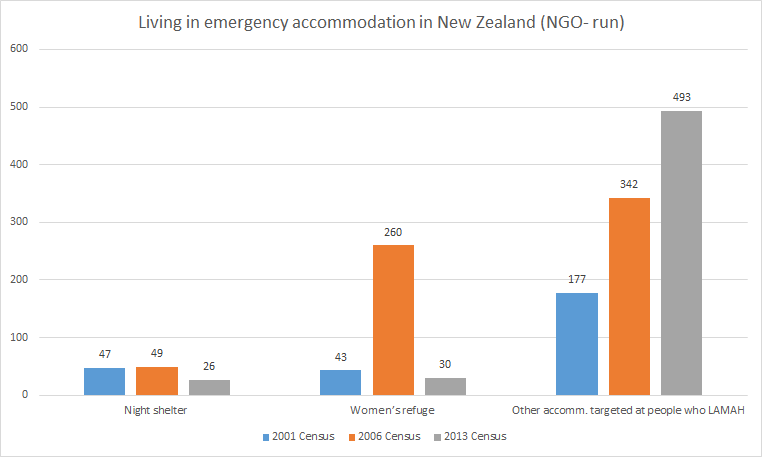
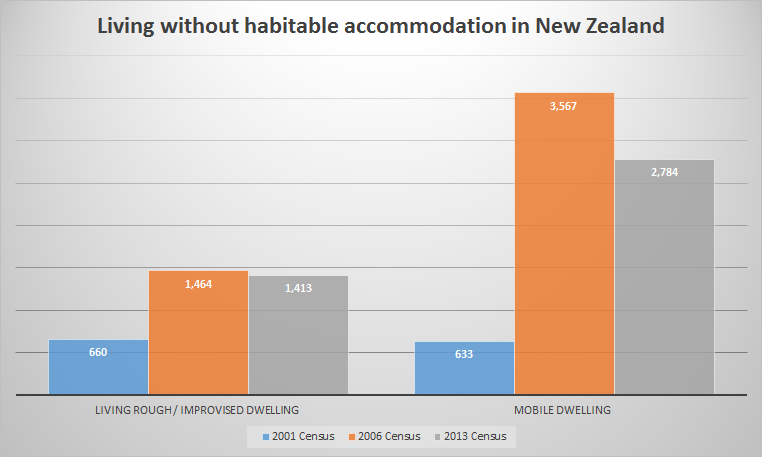
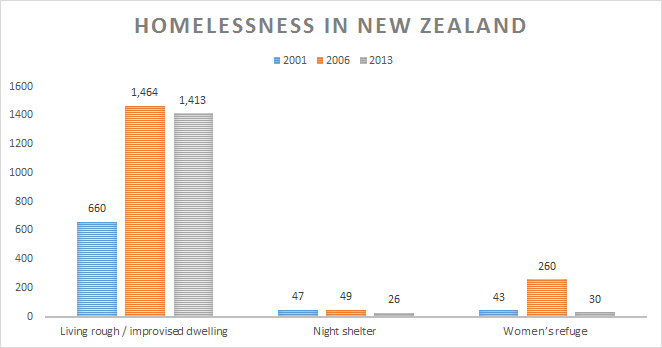
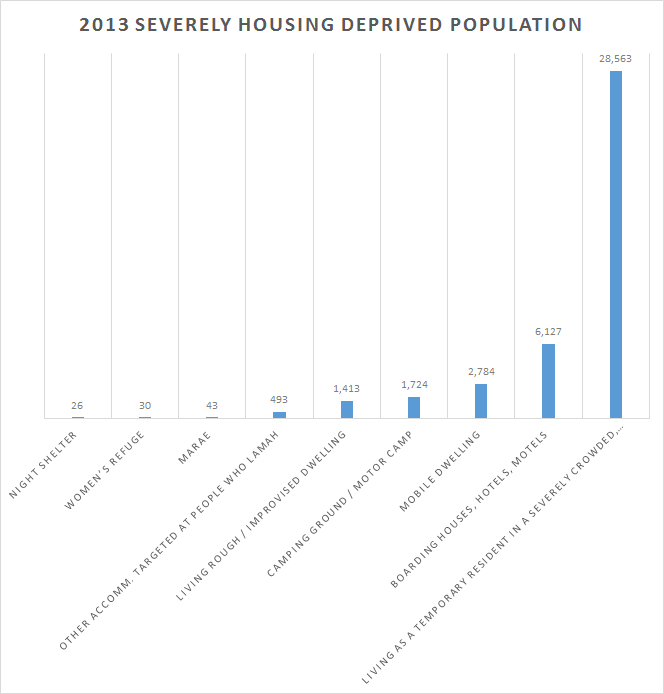
I cherry picked my previous data on homelessness if the New Zealand sub-Reddit is to be believed and from which I am banned and cannot reply. Plotting the data in full is to cherry pick it. The chart below is simply the first two rows of the source data. The subsequent rows deal with those in emergency accommodation and in temporary accommodation.
When I shared this data on Carmel Sepuloni MP’s Facebook page, she rightly and constructively said
Thanks for your comment Jim. Unfortunately the number living rough has increased since 2001. We want to focus on improving the future, which is why we are holding our homeless inquiries so we can best understand and address this issue:
Rather than pointscoring, the issue is what to do to fix the problem. How desperate is much of the rest of the Left to beat up this issue as the fault of John Key. This is an an important issue that should not be used for point scoring by sufferers of John Key derangement syndrome.
Homeless people are those who I charted above. They are sleeping rough or in a car. They have slipped through the social safety net which is obviously not working for them. If you are in emergency accommodation, the social safety net is working. The issue is making that safety net work better in terms of moving quickly into more permanent accommodation..
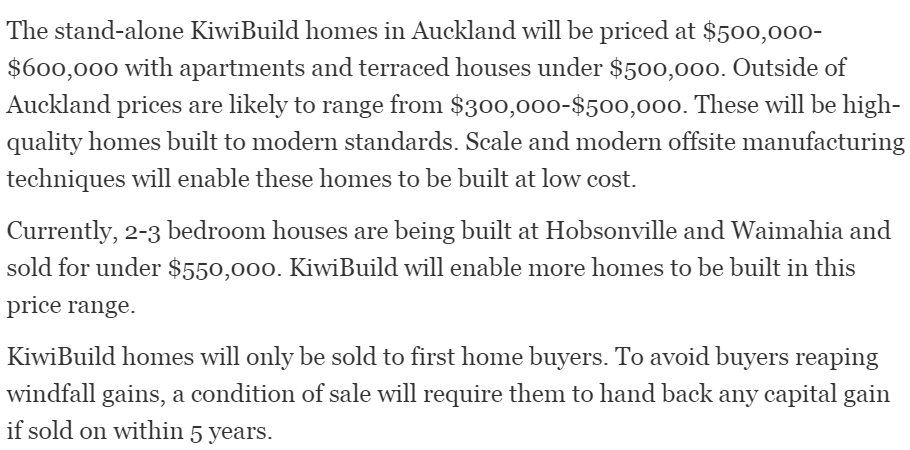
The Labour Party (and Greens) both plan to build 100,000 affordable homes and sell them within a specific price range. In Auckland, where houses cost in excess of $800,000 on average, they hope to enter the market at the $550,000 point with still quite reasonable housing.
What I ask you is how will Labour and the Greens make sure the affordable houses both are proposing are not snapped up by well-to-do buyers rather than families currently locked out of the market? What will the rationing mechanism be?
How will Labour and the Greens ration these desirable houses given that they are priced well below the competition? If two buyers both offer $550,000 for the house, which bid will be accepted?
If the next best available house in Auckland is worth more than that because it is not sold by the proposed Housing Affordability Authority, the first bid for these houses will be $550,000 which is the maximum the government under a Labour Party is willing to accept? What happens then?
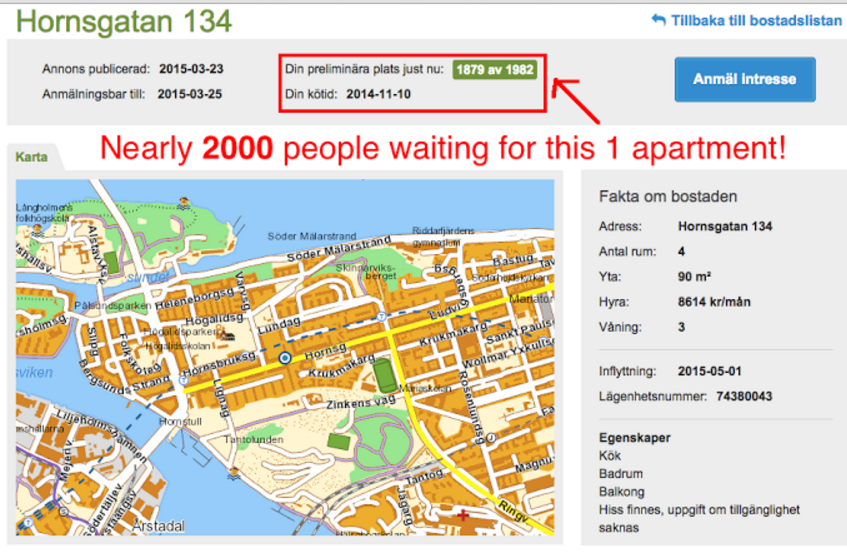
It is basic economics that if you price at less than the market clearing rate which in Auckland is somewhere near $800,000, people will queue to buy what you have unless you raise the price. The exercise of building 100,000 affordable houses makes no sense unless the purpose is to undercut what the market currently supplies.
As the houses are to be sold by a government agency, there can be no black market nor dilution of quality to even up supply with demand. How will a deadlock in price bids be resolved if the maximum bid for an affordable house starts at $550,000?
Labour acknowledges the possibility of flipping by restricting resale for 5 years. But what stops investors just waiting 5 years as there is any significant price gap between these affordable houses and the private market alternatives.
What stops more affluent buyers living in these houses because they so much cheaper than the competing options in Auckland? If you miss out in bidding on one affordable home, do you go back to the end of the queue for the next that is built or get some priority?
People living rough doubled under Labour! Fell under the National Party led government despite the global financial crisis and the return of neoliberal oppression.
There is a difference between not having a roof over your head and being in emergency or temporary accommodation. It disrespects those who lack a roof over their head tonight to equate their grave misfortune with those fortunate enough to already be in emergency accommodation. Once they are in emergency accommodation, that shows that the system is working. Finding them somewhere to stay pending finding something more permanent.
The Greens are most upset that a Labour party private members bill to specify a minimum wage for contractors was voted down by one vote in parliament yesterday.
If you earn than the minimum wage as a contractor, that is a signal wrapped in an incentive. Your poor hourly earnings is a signal to you that maybe you should get out of that contracting business and go back to being an employee where you will be paid at least the minimum wage.
Many small businesses make no profits at all in the first year or so as they build the business. The founders of the business get by on savings, which they anticipated when they drew up their business plan. No one expects a business to make an immediate profit or always be profitable.
Contractors are entrepreneurs chancing their arm. They need crisp signals about whether they are succeeding, failing or could succeed if they try harder or do something different. A minimum wage for contractors masks those important market signals of success and failure.
If your dream of owning your own business is not even paying the minimum wage, maybe it is time to get out of the contracting business.
Why Evolution is True is a blog written by Jerry Coyne, centered on evolution and biology but also dealing with diverse topics like politics, culture, and cats.
In Hume’s spirit, I will attempt to serve as an ambassador from my world of economics, and help in “finding topics of conversation fit for the entertainment of rational creatures.”



Recent Comments