
Which companies are the most innovative?
07 Jul 2015 Leave a comment
in entrepreneurship, industrial organisation, survivor principle Tags: competition as a discovery procedure, creative destruction, entrepreneurial alertness, ICT, innovation, market selection, R&D, The meaning of competition
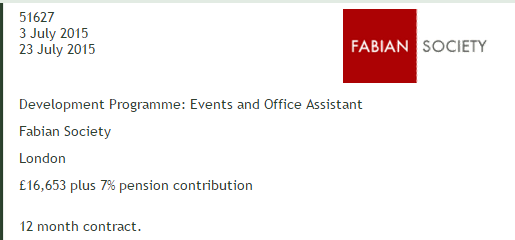
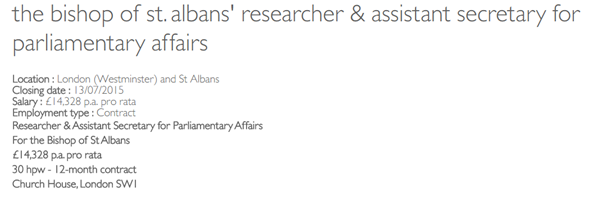
Fabian Society and Church of England caught out as hypocrites on London Living Wage of £18,000
06 Jul 2015 Leave a comment
in income redistribution, industrial organisation, labour economics, minimum wage, poverty and inequality, Public Choice, rentseeking, survivor principle Tags: British economy, British politics, Church of England, expressive voting, Fabian Society, hard budget constraints, Left-wing hypocrisy, living wage, market selection
Matt Ridley on the Pope and The Great Fact
06 Jul 2015 Leave a comment
in applied price theory, applied welfare economics, development economics, economic history, economics of regulation, energy economics, entrepreneurship, environmental economics, financial economics, growth disasters, growth miracles, health economics, history of economic thought, human capital, industrial organisation, labour economics, liberalism, survivor principle Tags: doomsday prophecies, Matt Ridley doomsday prophets, Papal economics, The Great Enrichment, The Great Escape, The Great Fact
See which way the data points for yourself, like @mattwridley. buff.ly/1HsZxgx #health #progress http://t.co/B3KbUJOn05—
HumanProgress.org (@humanprogress) June 30, 2015
Doing business in Russia and Italy – World Bank rankings compared
05 Jul 2015 Leave a comment
in applied price theory, applied welfare economics, comparative institutional analysis, economics of regulation, entrepreneurship, industrial organisation, international economics, law and economics, property rights, survivor principle Tags: doing business, Eurosclerosis, Italy, rule of law, Russia, transitional economies
Figure 1: Doing Business rankings, Russia and Italy, 2014
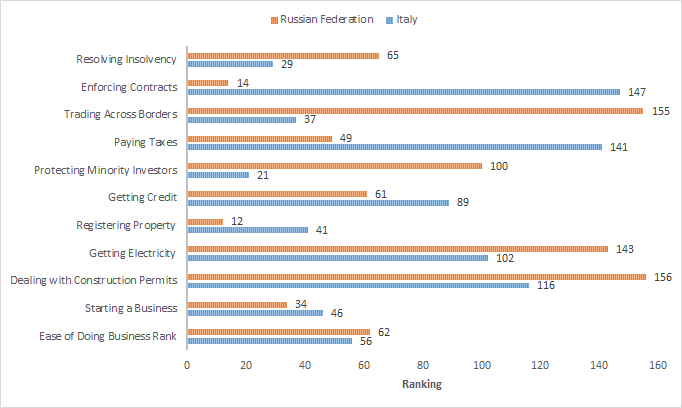
Source: World Bank Doing Business 2015.
It is rather disturbing that it is a lot easier to register property and enforce contracts in Russia than in Italy and far harder to pay your taxes in Italy. Once again, Italy’s saving grace is the ability to trade across borders Because of its membership of the European Union.
Legal systems and property rights in Greece and Russia – Index of Economic Freedom rankings compared
05 Jul 2015 Leave a comment
in applied price theory, applied welfare economics, comparative institutional analysis, constitutional political economy, development economics, economics of crime, economics of regulation, growth disasters, industrial organisation, law and economics, property rights Tags: capitalism and freedom, Greece, rule of law, Russia
Figure 1: Index of Economic Freedom rankings for legal systems and property rights, Greece, Russia and USA, 2012
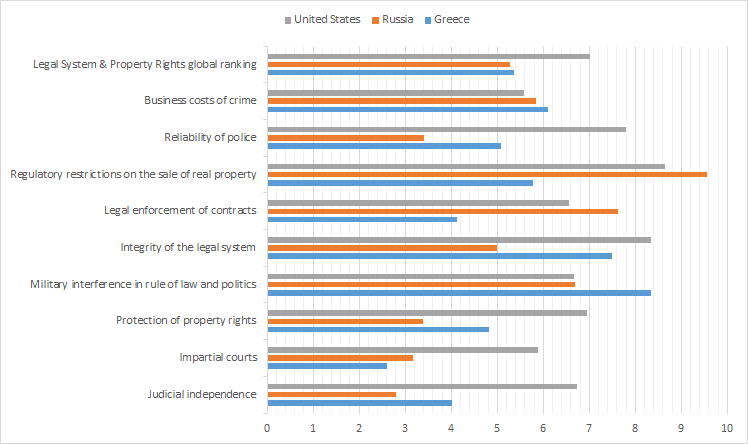
Source: Economic Freedom of the World – Annual Report 2014 | www.freetheworld.com.
Overall, there are not that many differences between Greece and Russia in the quality of their legal systems and property rights. Don’t go to the police in Russia and good luck trying to enforce contracts in Greece.
Nobel-Winning Scientists are Getting Older
05 Jul 2015 Leave a comment
in economic history, economics of education, human capital, industrial organisation, personnel economics Tags: death of the Renaissance man, Nobel prizes, rising burden of knowledge
Why Nobel-Winning Scientists are Getting Older:
priceonomics.com/why-nobel-winn… http://t.co/rNxCUS0xG2—
Priceonomics (@priceonomics) April 10, 2015

Doing business in the PIGS (Portugal, Italy, Greece and Spain) – World Bank rankings
03 Jul 2015 Leave a comment
in applied price theory, applied welfare economics, currency unions, economic growth, economics of bureaucracy, economics of regulation, Euro crisis, health and safety, income redistribution, industrial organisation, labour economics, law and economics, minimum wage, occupational regulation, property rights, Public Choice, rentseeking, survivor principle, unions, welfare reform Tags: cost of doing business, Eurosclerosis, Greece, Italy, PIGS, Portugal, Spain
Figure 1: Doing Business rankings, PIGS, 2014
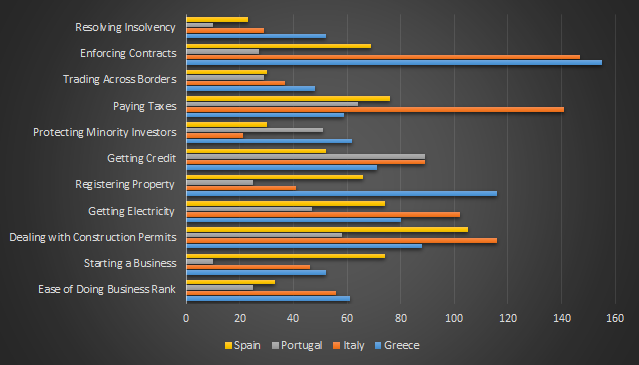
Source: World Bank Doing Business 2015.
All in all, Italy and Greece are a dog of a place to enforce a contract. The long-suffering taxpayer is better off paying taxes in Greece than in Italy! Not surprisingly, trading across borders is the greatest strength in doing business in the PIGS. The European Union does have some benefits.
Figure 2: Doing Business rankings, Greece and Italy, 2014
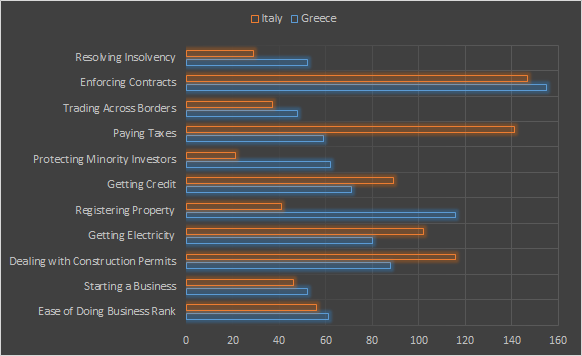
Source: World Bank Doing Business 2015.
All in all, Italy and Greece are equally bad places to do business and Italy is much worse when it comes to taxes. About the only saving graces of Italy is the registration of property and the protection of minority interests in companies.
Figure 3: Doing Business rankings, Spain and Portugal, 2014
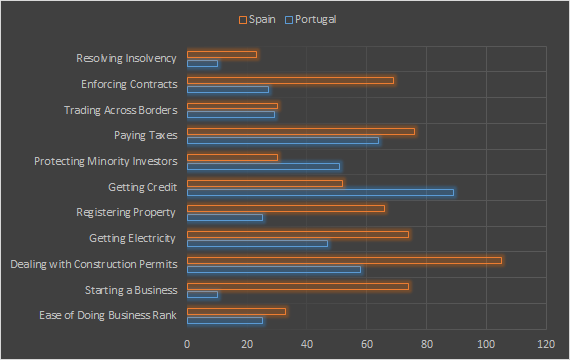
Source: World Bank Doing Business 2015.
Spain and in particular Portugal are much better places to do business than Italy and Greece.
The media history of climate change scares
03 Jul 2015 Leave a comment
in economic history, economics of media and culture, energy economics, entrepreneurship, environmental economics, global warming, industrial organisation, politics - Australia, politics - New Zealand, politics - USA, rentseeking, survivor principle Tags: climate alarmism, global cooling, global warming, media bias
A lot of people stop using their Twitter account
01 Jul 2015 Leave a comment
in economics of media and culture, industrial organisation, survivor principle Tags: creative destruction, Twitter
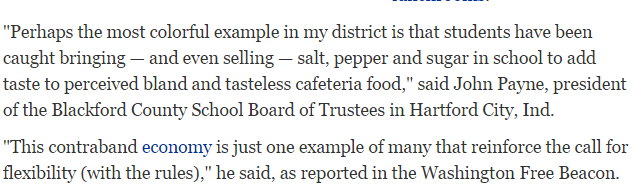
Kids Create Cafeteria Black Market To Bypass Food Nannies
30 Jun 2015 Leave a comment
in economics of crime, economics of education, economics of regulation, entrepreneurship, health economics, industrial organisation, law and economics, survivor principle Tags: black markets, economics of prohibition, entrepreneurial alertness, food, nanny state, police, The fatal conceit, unintended consequences
Terrorist attacks and tourism
30 Jun 2015 Leave a comment
in economics of media and culture, industrial organisation, international economics, politics - Australia, politics - New Zealand, politics - USA, survivor principle, war and peace Tags: economics of tourism, war on terror
Daily chart: Tourist visits before and after African terror attacks econ.st/1JmvUN3 http://t.co/5nWKUQbey8—
The Economist (@TheEconomist) June 30, 2015
A great incentive to donate blood in Sweden
30 Jun 2015 Leave a comment
in health economics, industrial organisation, survivor principle Tags: blood donors, entrepreneurial alertness
In Stockholm, blood donors get a text when they’ve saved a life citymetric.com/horizons/stock… http://t.co/JIPXFfKtbM—
(@CityMetric) June 29, 2015
Greece (61st) is ranked one above the Russia in the World Bank’s Doing Business Survey 2015
29 Jun 2015 Leave a comment
in economics of bureaucracy, economics of crime, economics of regulation, industrial organisation, labour economics, law and economics, property rights, Public Choice, rentseeking Tags: cost of doing business, Euroland, Greece, Russia, sovereign defaults, transitional economies, World Bank
Figure 1: Greek and Russian Doing Business sub-rankings, 2015
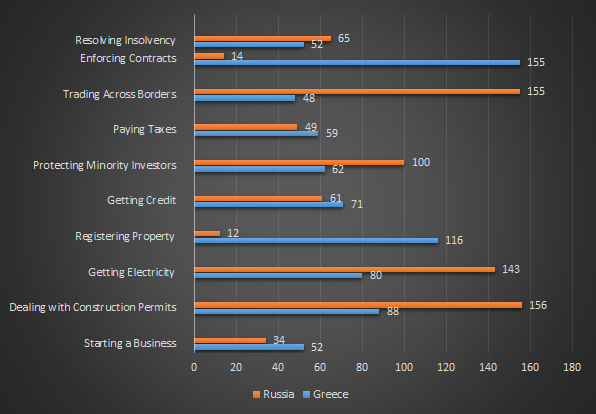
Source: World Bank Doing Business 2015.
As long as you’re not in a construction or export business, and don’t mind waiting for your electricity, it’s better to do business in Russia than in Greece! The main difference between Russia and Greece is its membership of the European Union makes it easy to export?
In Russia, it’s easier to start a business, register property and enforce contracts than it is in Greece!
There is creative destruction in printers too
28 Jun 2015 Leave a comment
GRAPHIC: Why your middle-class salary is better than you might think
washingtonpost.com/blogs/wonkblog… http://t.co/vvRCo0PNel—
Mark J. Perry (@Mark_J_Perry) June 15, 2015


Recent Comments