In 2015, I wrote a column entitled “A Nordic Nightmare for Bernie Sanders.” Today, let’s do something similar, but this time I’ll explain why economic data from northernmost Europe is bad news for Alexandria Ocasio-Cortez. I’m motivated to address the issue because I just saw this tweet about how Scandinavian-Americans are much richer than their […]
Here’s the full video from my recent immigration debate at UATX with Garett Jones. Coleman Hughes moderates. (A great guy, and not only did we finally meet in person for dinner; he also came to UATX karaoke!) Here are more debate details from the UATX Substack. I’ve got multiple post-debate commentary essays in my queue,…
Remember Thomas Piketty, the pro-class-warfare economist who is infamous for shoddy analysis and who also made a fool of himself by asserting back in 2023 that Javier Milei’s election in Argentina would lead to economic disaster? Yes, that Thomas Piketty. It turns out he’s also a “watermelon,” which is the derisive term for leftists who […]
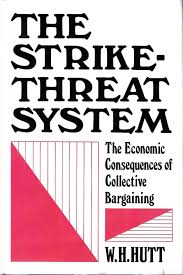
Tweet… is from page 88 of Art Carden’s and Ilia Murtazasvili’s paper “W.H. Hutt: An Economist for the Twenty-First Century,” which is a chapter in 2026 book Unsung Heroes of the Market: The 24 Underrated Economists You Need to Know – a volume edited by Robert Whaples, Christopher Coyne, Gregory Robson, and Diana Thomas [original emphasis;…
The world’s poor deserve better than another utopia designed for them by the globalist intelligentsia. They deserve cheap energy, open markets, secure property rights, and the freedom to industrialise on terms they choose for themselves. That is what worked in East Asia. It is what will work in South Asia, Africa and Latin America. And…
Ages ago I supervised a superb Honours thesis, which turned into a Masters, looking at the lesbian wage premium. It showed up regularly in the US data: homosexual women earned more than heterosexual women – the opposite of the pattern that obtains for men. I was curious whether the difference could in part be due to…
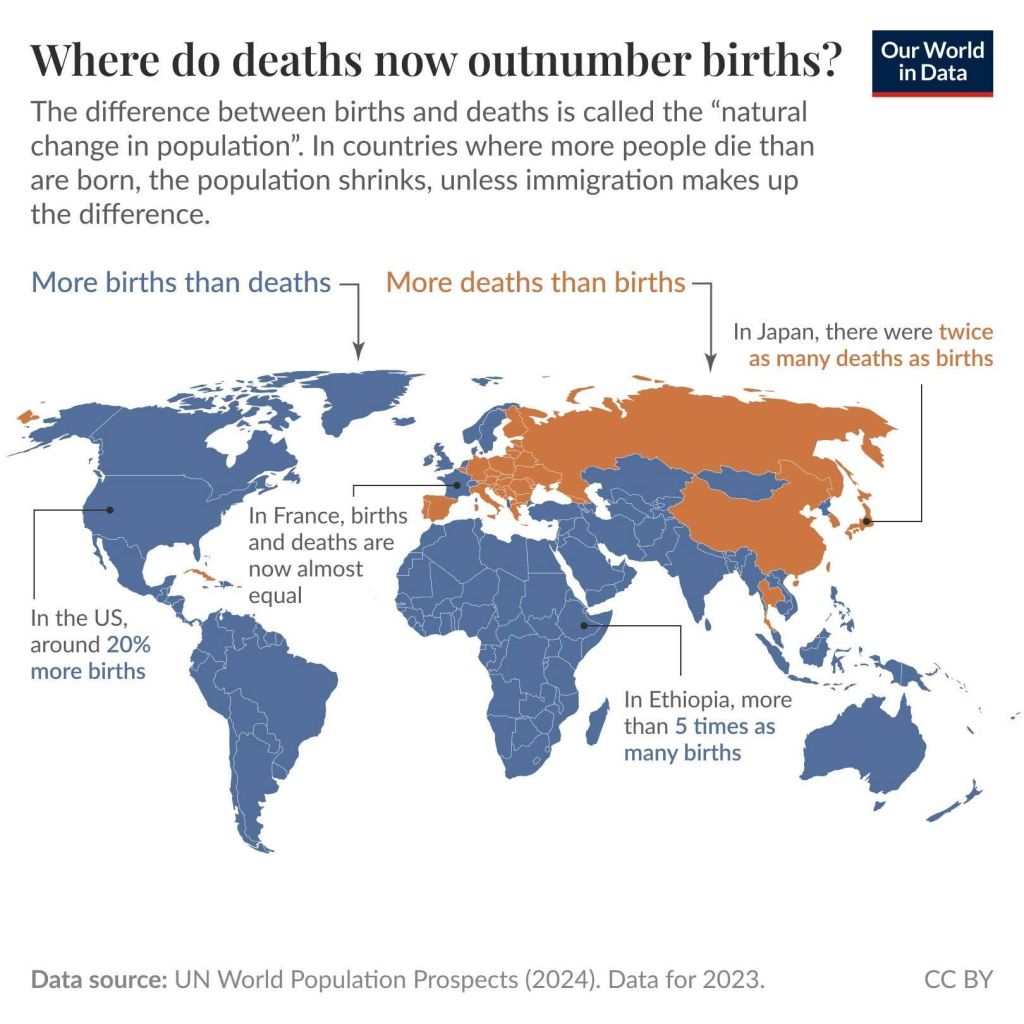
Lyric Waiwiri-Smith at The Spinoff asked me what I thought the options might be for dealing with rising superannuation costs. Her story’s here, along with comment from Max Rashbrooke and Shamubeel Eaqub. My most-preferred option is ongoing increases in immigration rates, coupled with shifting to CPI-indexation of super benefits and indexing the age of eligibility to healthy…
News.com.au reports: A high-profile tech CEO has sparked debate after revealing he quietly axed his entire human resources department earlier this year. Ryan Breslow, CEO of Bolt Financial, claims the HR team at the fintech firm was “creating problems that didn’t exist” and fostering a culture of complaining rather than productivity. “The problems disappeared when…
Garett Jones is the best critic of immigration in all of social science. In fact, it’s not even close. To the best of my knowledge, he is the only such critic who has seriously tried to show that the social costs of immigration are even more astronomical than the social benefits of immigration. In fact,…
Given the relative economic weakness that plagues most European nations (documented here, here, here, here, and here), a top priority for policy makers should be to improve incentives for wealth creation. But that assumes politicians care about the prosperity of citizens. Based on a new report from the European Commission, the answer is no. Instead of […]
Jeff Bezos tweeted: Yes, the United States has the most progressive tax system in the world. The top 1% pay 40% of taxes, the bottom 50% pay 3% of taxes. We can make it even more progressive by zeroing out taxes on the bottom half. It’s a small amount of the total tax revenue but…
I’ve shared several columns (here, here, here, here, and here) reviewing scholarly research on the harmful economic impact of wealth taxation. From now on, however, I think I’ll simply share this clever video from the folks at Reason. The video uses humor to make very important points about how a wealth tax would diminish incentives […]
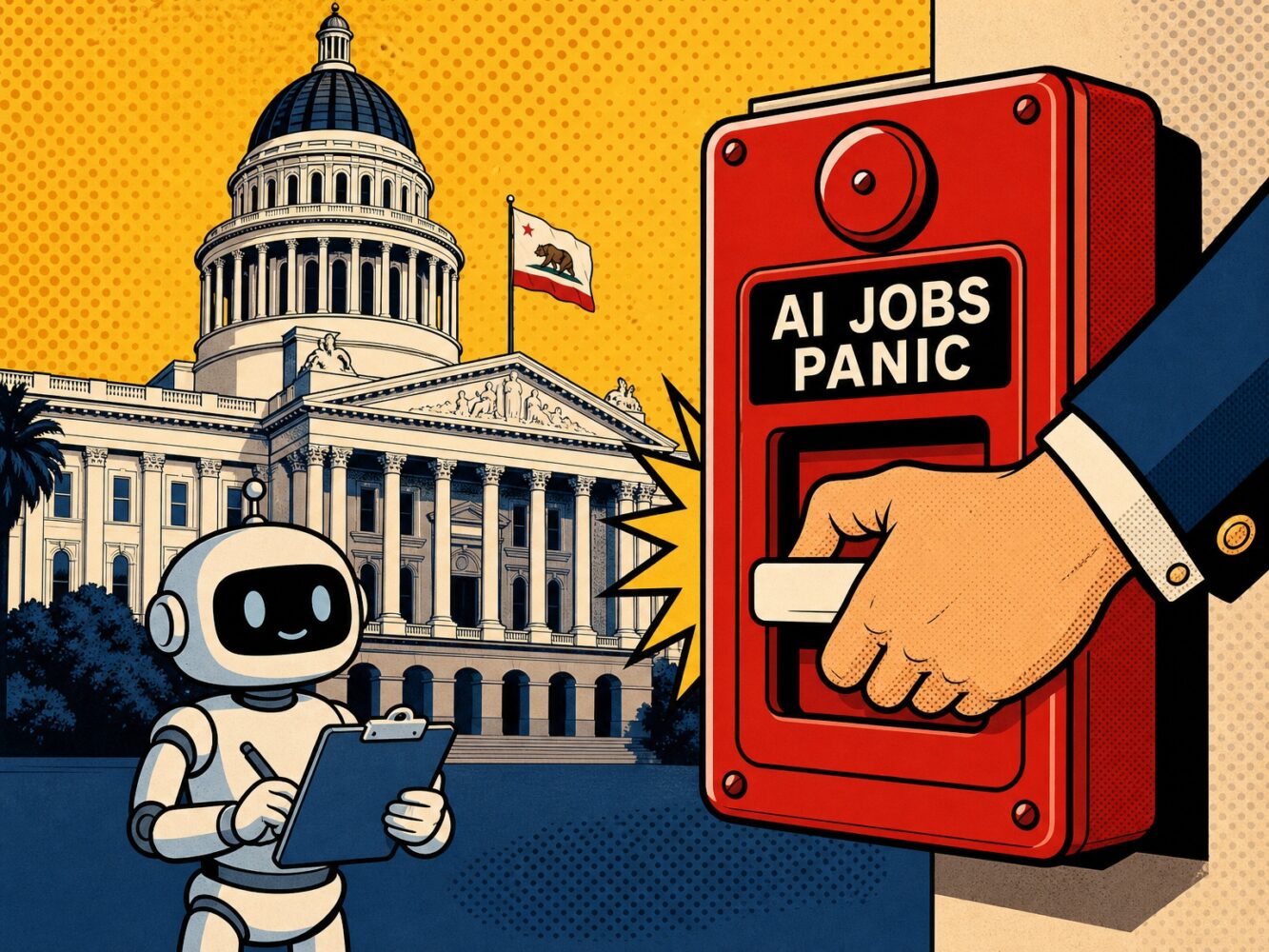
California has seen the future of work, and Sacramento’s first instinct is to convene 14 task forces about it. Gov. Gavin Newsom signed Executive Order N-6-26 today, setting California’s workforce agencies in motion on directives involving research reviews, revisions to the state’s Worker Adjustment and Retraining Notification (WARN) Act, studies of new safety-net programs, a…
The Guardian reports: A Reform government will not put any migrant detention facilities in any constituency with a Reform MP. Nor will we put them where Reform controls the council. And of the remaining areas, we will prioritise Green controlled parliamentary constituencies and Green controlled councils to locate the detention centres. Put simply, if you…
Why Evolution is True is a blog written by Jerry Coyne, centered on evolution and biology but also dealing with diverse topics like politics, culture, and cats.
In Hume’s spirit, I will attempt to serve as an ambassador from my world of economics, and help in “finding topics of conversation fit for the entertainment of rational creatures.”






Recent Comments