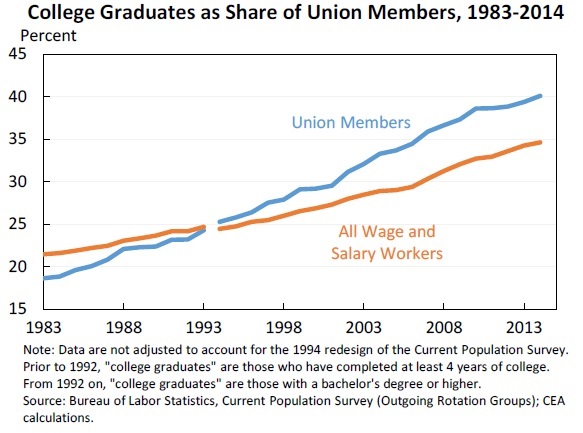
The withering away of unions as a working class movement @nzlabour @FairnessNZ
09 Oct 2015 Leave a comment
Economic liberty and human flourishing: A discussion with Deirdre McCloskey, Susan Shell, and Yuval Levin
04 Oct 2015 Leave a comment
in comparative institutional analysis, constitutional political economy, development economics, economic history, Marxist economics Tags: Deirdre McCloskey, The Great Enrichment, The Great Fact
Inequality in the UK
02 Oct 2015 Leave a comment
Stiglitz, Piketty – Jeremy Corbyn’s star ‘advisers’ are, like him, wrong about UK inequality: specc.ie/1OZZPPi http://t.co/seDpZIVRy1—
Fraser Nelson (@FraserNelson) September 27, 2015
@RobinHoodTax @helenkellyCTU does the average worker earn less than 40 years ago?
30 Sep 2015 Leave a comment
in applied welfare economics, economic history, Marxist economics, politics - New Zealand, politics - USA Tags: good old days, living standards, measurement error, middle class stagnation, productivity measurement, The Great Enrichment, wage stagnation
https://twitter.com/RobinHoodTax/status/648963471690698752/photo/1
For Economic Justice, America Badly Needs Some Raises goo.gl/iA3Ecp #RobinHoodTaxUSA robinhoodtax.org/why http://t.co/0wx4kCpb4Q—
Robin Hood Tax (@RobinHoodTax) September 23, 2015
Innovation is letting us accomplish more with less. Learn more: buff.ly/1LmtAZD #tech #progress http://t.co/e2kQlGu3NA—
HumanProgress.org (@humanprogress) June 22, 2015
How to lie about statistics on inequality and global poverty @oxfamnz @Oxfam
29 Sep 2015 Leave a comment
in applied price theory, applied welfare economics, development economics, econometerics, economic history, growth disasters, growth miracles, human capital, labour economics, Marxist economics, poverty and inequality, rentseeking Tags: activists, do gooders, expressive voting, Leftover Left, Oxfam, rational ignorance, rational irrationality, Twitter left
The impact of economic theory on political belief
28 Sep 2015 Leave a comment
in applied price theory, comparative institutional analysis, economics of education, Marxist economics Tags: conjecture and refutation, evidence-based policy, methodology of economics, overweening conceit of view, philosophy of the social sciences

…
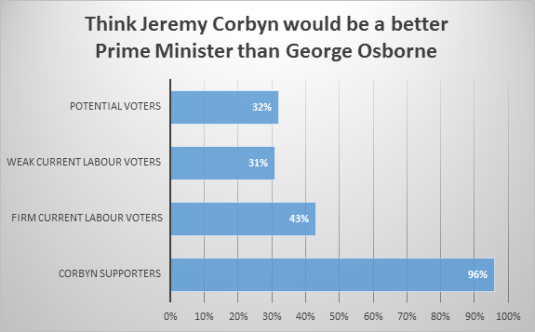
More reasons to let @jeremycorbyn be Corbyn – non-voters believe much the same things as voters
24 Sep 2015 1 Comment
in constitutional political economy, income redistribution, Marxist economics, Public Choice Tags: British politics, expressive voting, rational ignorance, rational irrationality, Twitter left, voter demographics
It is vital to permanent Tory rule that Jeremy Corbyn stay staunch to the principles and electoral strategy on which he was elected by Labour Party members and supporters to be their leader and alternative Prime Minister.
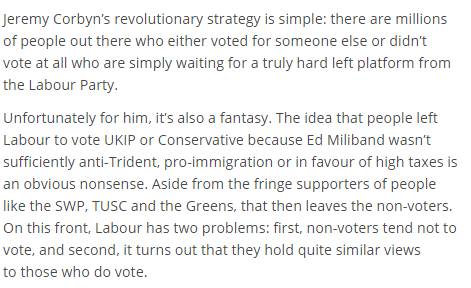
Source: The huge shock coming down the track for the Corbynites | Conservative Home
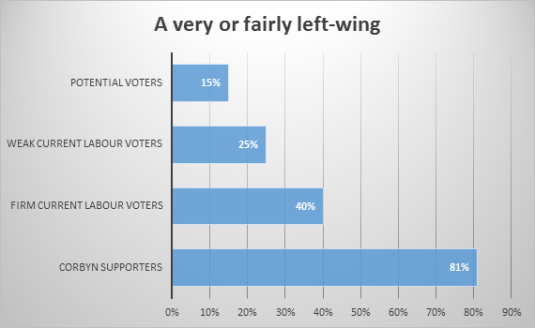
Source: New polling data shows the challenge facing Jeremy Corbyn
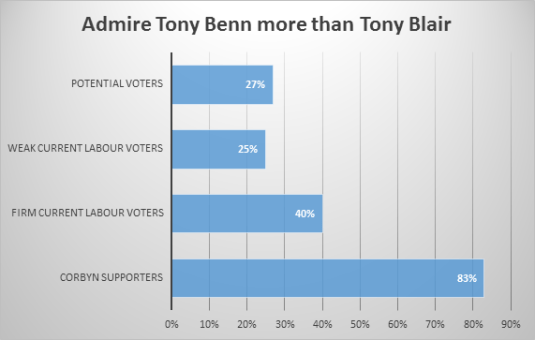
Source: New polling data shows the challenge facing Jeremy Corbyn
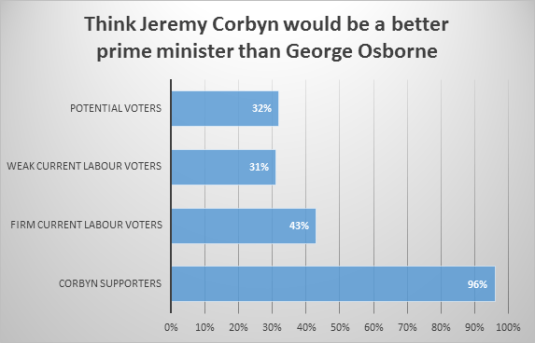
Source: New polling data shows the challenge facing Jeremy Corbyn
Source: New polling data shows the challenge facing Jeremy Corbyn
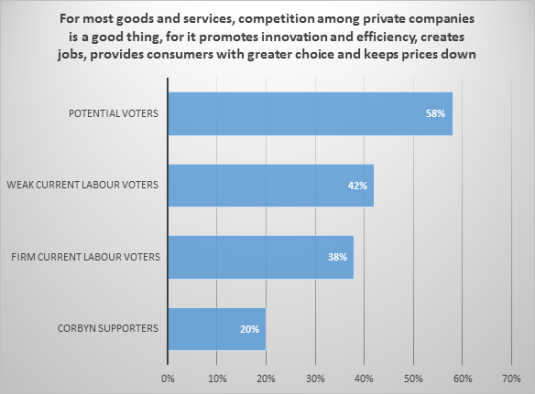
Source: New polling data shows the challenge facing Jeremy Corbyn
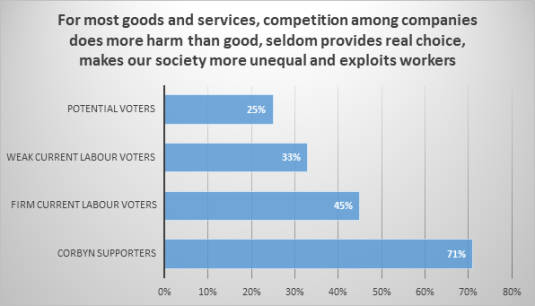
Source: New polling data shows the challenge facing Jeremy Corbyn
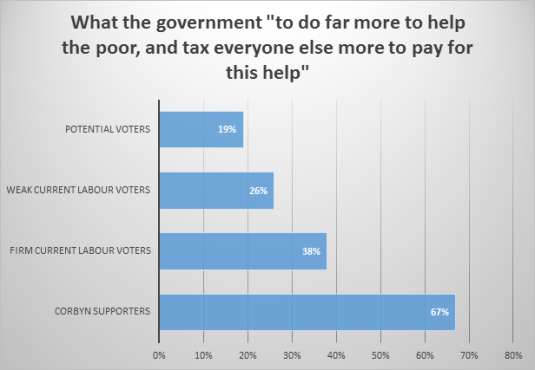
Source: New polling data shows the challenge facing Jeremy Corbyn
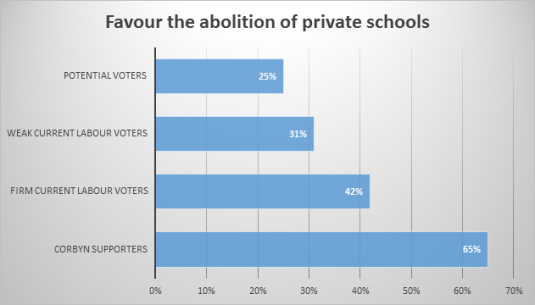
Source: New polling data shows the challenge facing Jeremy Corbyn
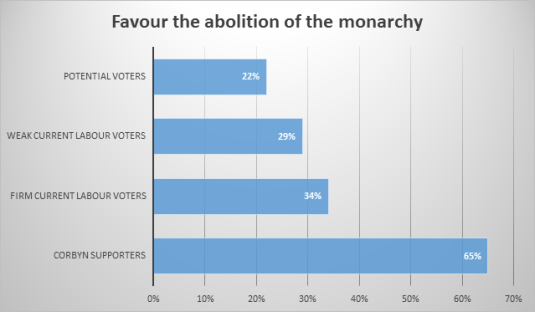
Source: New polling data shows the challenge facing Jeremy Corbyn
Peter Kellner: Measuring the gap between Corbyn’s supporters and Labour’s target voters – y-g.co/1izSpph http://t.co/f1NaNL4xgt—
(@YouGov) September 25, 2015
Pope Francis versus The Great Fact
23 Sep 2015 Leave a comment
in applied price theory, development economics, economic history, growth disasters, growth miracles, Marxist economics Tags: capitalism and freedom, Catholic Church, extreme poverty, global poverty, Pope Francis, The Great Fact
Most powerful defense of #capitalism by @DeirdreMcClosk ow.ly/Swgsg
@JimPethokoukis @AEIecon @PrudentiaMag http://t.co/sznhzAl2TS—
AEI on Campus (@AEIonCampus) September 22, 2015
How can we eradicate #poverty by 2030? @Winnie_Byanyima wef.ch/1QvSVPW #development http://t.co/reBsT24BU3—
World Economic Forum (@wef) September 24, 2015
Let @jeremycorbyn be Corbyn #toriesforcorbyn @LabourList @UKLabour
22 Sep 2015 1 Comment
in Marxist economics, Public Choice Tags: British politics, economics of ideology, expressive voting, ideology, Leftover Left, political psychology, rational ignorance, rational rationality, Twitter left
The last thing Tories for Corbyn want is for Jeremy Corbyn to start compromising on his principles. Do not be corrupted by the baubles of office. Stay staunch to those ‘renegade Liberal’ principles that kept you in the wilderness for 30 years within the Labour Party. That will guarantee permanent Tory rule. We and the Trots want our £3 worth.

Source: What’s going to happen to a Corbyn-led Labour party | LabourList
WATCH: @afneil exposes Lord Falconer's policy splits with Corbyn and McDonnell order-order.com/2015/09/20/11-… http://t.co/y2pxdu9YKl—
Guido Fawkes (@GuidoFawkes) September 20, 2015
The Left is back in power in Greece
21 Sep 2015 Leave a comment
in currency unions, Euro crisis, macroeconomics, Marxist economics Tags: Euroland, Greece, Leftover Left
Tsipiras remains Greece’s PM, following the country’s third national vote this year econ.st/1Wd3POq http://t.co/F3x08Gyrab—
The Economist (@ECONdailycharts) September 21, 2015
The Twitter Left believes in obedience to authority as long as they are in charge
21 Sep 2015 Leave a comment
in comparative institutional analysis, liberalism, Marxist economics, Music, Public Choice Tags: political psychology, The Who
Yesterday’s hippies, today’s grumpy old man, believed they were sticking it to the man. The only real problem of the left wing of politics with authority was they and those like them were not in charge. Jeremy Frimer explains:
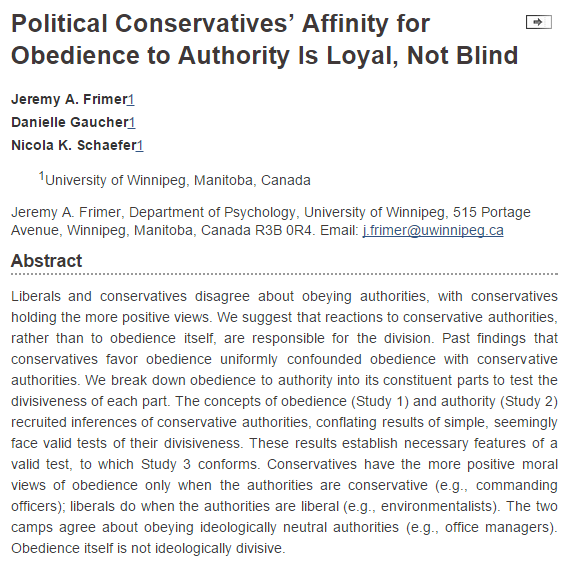
Together with my collaborators Dr. Danielle Gaucher and Nicola Schaefer, we asked both red and blue Americans to share their views about obeying liberal authorities (e.g., “obey an environmentalist”). In an article that we recent published in Personality and Social Psychology Bulletin, we found that liberals were now the ones calling for obedience.
And when the authorities were viewed as ideologically neutral (e.g., office manager), liberals and conservatives agreed. Only when people perceived the authority to be conservative (e.g., religious authority) did conservatives show a positive bias…
Liberal versus conservative is like Yankee fans versus Red Socks fans. Each has its own flag to which it pledges allegiance. And each side has its own authorities to which it demands obedience.


Recent Comments